Pork Tamales Recipe (Authentic Tamales Rojos)

94
Updated May 04, 2026
This post may contain affiliate links. Please read our disclosure policy.
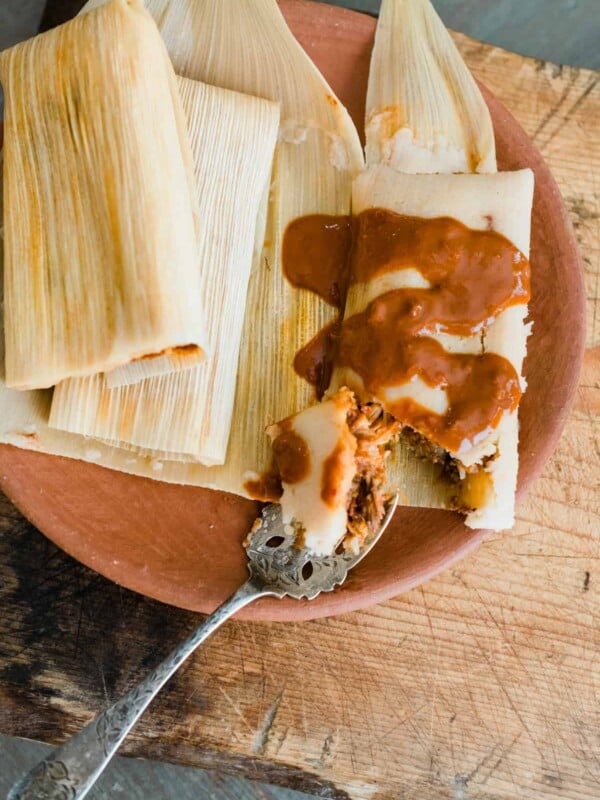
These authentic pork tamales rojos are a traditional Mexican pork tamales recipe made with tender shredded pork simmered in a rich red chile sauce, wrapped in masa, and steamed until perfectly soft and flavorful. If you’ve ever wanted to learn how to make a traditional pork tamales recipe, you’re in the right place.
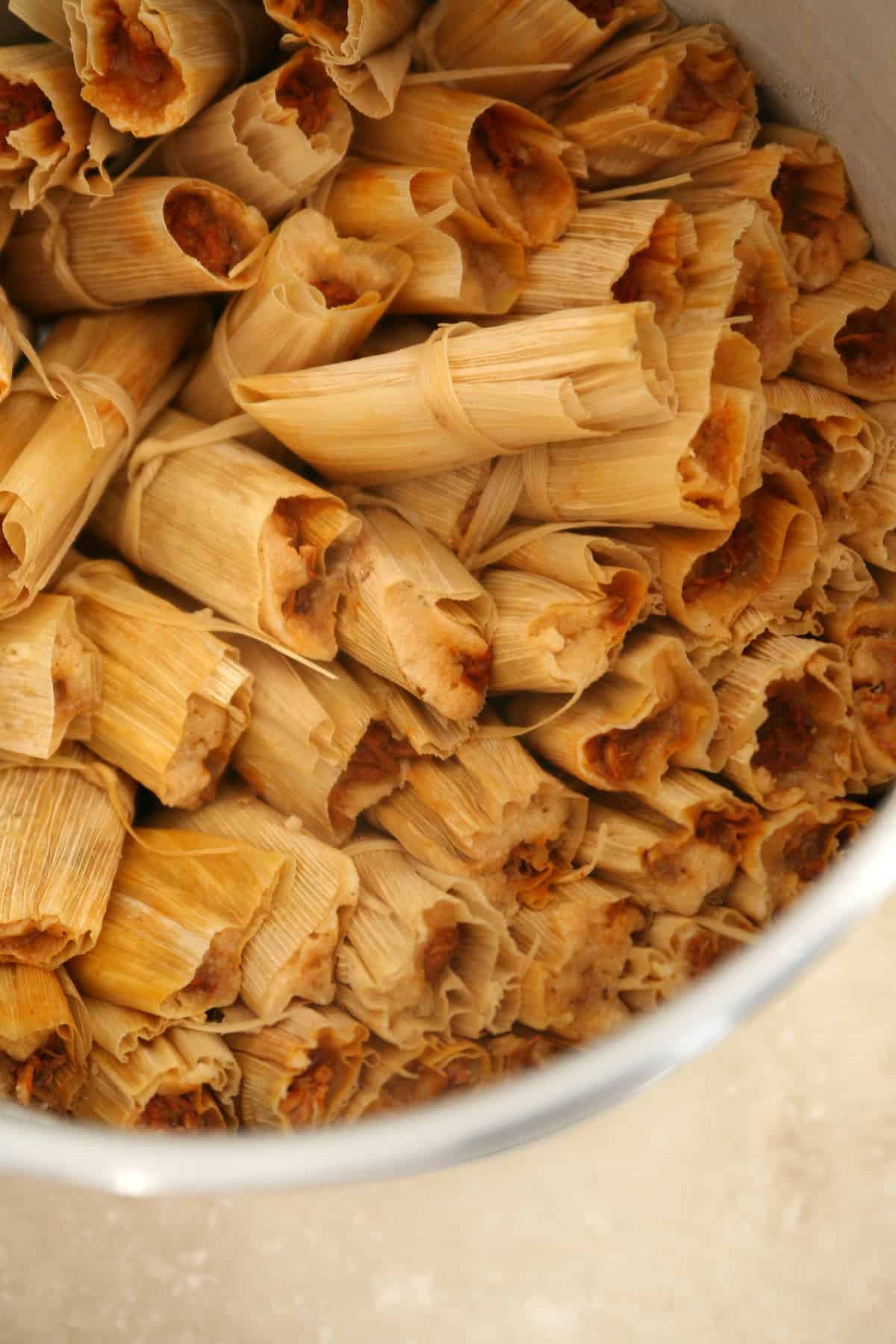
Nothing compares to the flavor of homemade tamales. This is the exact recipe I grew up with and one I love so much, it’s featured in my very first Muy Bueno cookbook.
Making tamales is more than just cooking—it’s a tradition. In our family, tamales are especially popular during the holidays, when we gather for a tamalada to cook, laugh, and share stories. It’s a hands-on experience that turns into lasting memories.
While making tamales does take time, it’s easier than you might think. You can break the process into steps over a few days, making it manageable and even enjoyable.
Table of Contents
- What Are Tamales?
- What is Red Chile Pork?
- Why This Is Muy Bueno
- Ingredients & Substitutions
- How To Make Tamales Step By Step
- Optional Variations
- Frequently Asked Questions
- Tamales Expert Tips & Tricks
- Serving & Topping Suggestions
- Storage, Freezing & Reheating Instructions
- More Mexican Tamales Recipes
- Authentic Pork Tamales Rojos Recipe
What Are Tamales?
Tamales are a traditional Mexican dish made with masa, a corn-based dough, that is filled with meat, cheese, chiles, or other savory or sweet fillings, then wrapped in corn husks and steamed until tender.
They are especially popular during Christmas, holidays, and family gatherings, often made in large batches during a tamalada, where family and friends come together to spread, fill, fold, and steam tamales.
These pork tamales rojos are filled with tender shredded pork in a homemade red chile sauce, then wrapped in fresh masa and steamed in corn husks until soft, fluffy, and full of flavor.
What is Red Chile Pork?
Red chile pork is tender shredded pork simmered in a flavorful red chile sauce made with dried red chiles, garlic, and spices. It’s a versatile filling used for tamales, enchiladas, burritos, stews, and more.
Think of this red chile sauce as one of the “mother sauces” of Mexican cooking. If you’re familiar with Asado de Chile Colorado, you already have a good idea of the bold, earthy flavor of the red chile pork filling used in these tamales.
For this recipe, I use pork shoulder or pork butt because it cooks down into tender, juicy shreds that are perfect for filling tamales. The same red chile sauce is also the base for dishes like asado de puerco, stacked red enchiladas, and other comforting Mexican recipes.

Why This Is Muy Bueno
- Big-batch recipe: Each batch makes about 60 red chile pork tamales, perfect for sharing, freezing, and enjoying later.
- Tender fresh masa: Fresh masa gives these tamales a soft, flavorful texture that makes them extra special.
- Step-by-step guidance: My detailed instructions walk you through the process so your pork tamales come out tender, flavorful, and beautifully steamed every time.
Ingredients & Substitutions
The complete list of ingredients, quantities, and step-by-step instructions can be found in the printable recipe card below.
- Pork Butt or Pork Shoulder: These inexpensive, well-marbled cuts are perfect for making tender shredded pork. They break down beautifully during slow cooking, creating juicy, flavorful meat. Use leftovers for recipes like coke carnitas or pork tinga sopes. The additional connective tissues break down beautifully during the slow. If you prefer a lighter option, swap in shredded poached chicken breast.
- Sea Salt: Used to season the pork and enhance overall flavor.
- Pork Broth: The homemade pork broth is used to make masa and filling more flavorful.
- Pork Broth: Adds rich, savory depth to both the masa and the filling. Homemade is best, but store-bought works too.
- All-Purpose Flour: Used to lightly thicken the red chile sauce. For a gluten-free option, you can substitute masa harina.
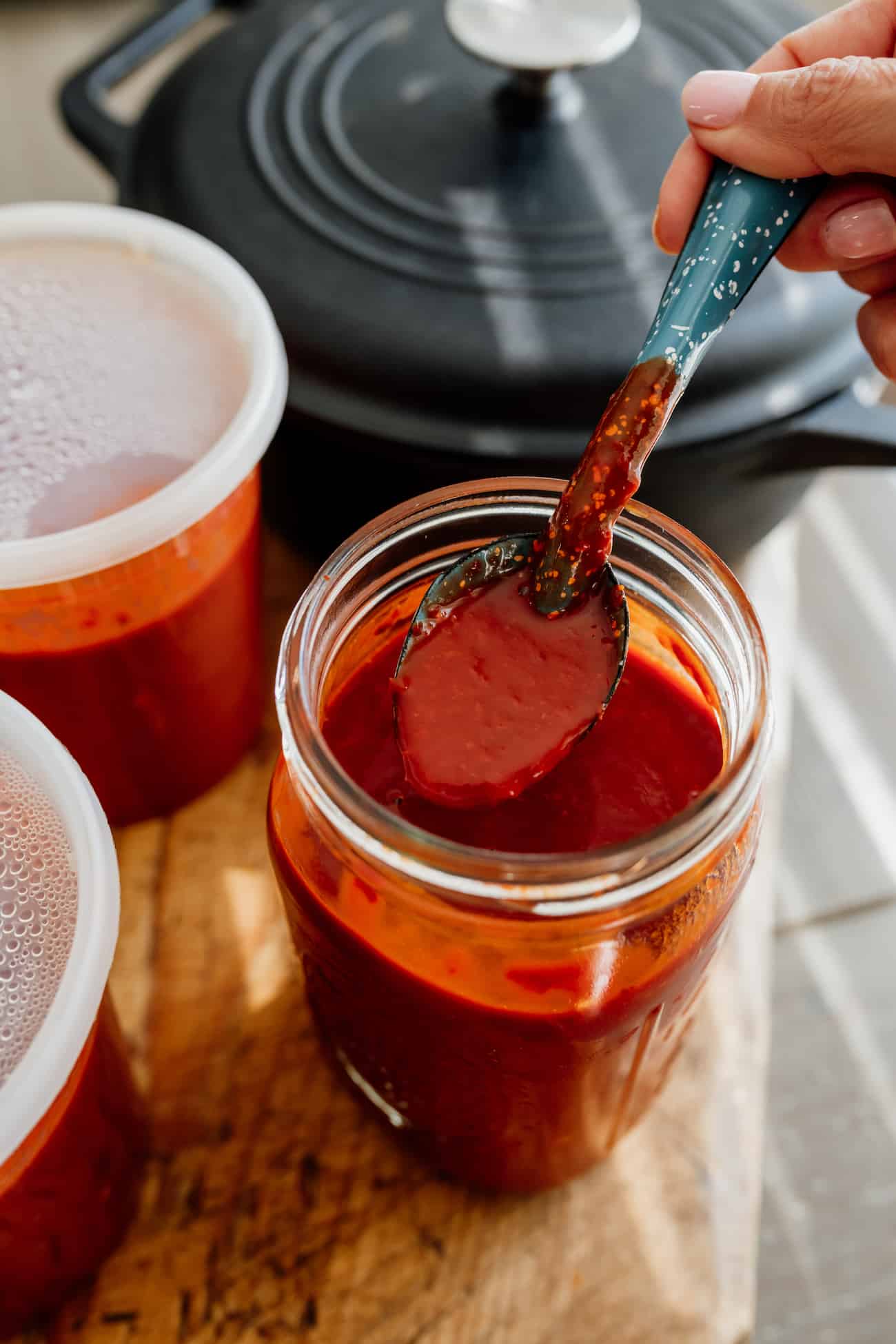
- Red Chile Sauce: This homemade sauce is the heart of this recipe and a staple in Mexican cooking. I always recommend making extra to freeze for future recipes like enchiladas, tamales, or stews.
- Tamal Dough (Masa): Fresh, unprepared masa delivers the best flavor and texture if you can find it at a local tortillería. Otherwise, masa harina is a great pantry-friendly option.
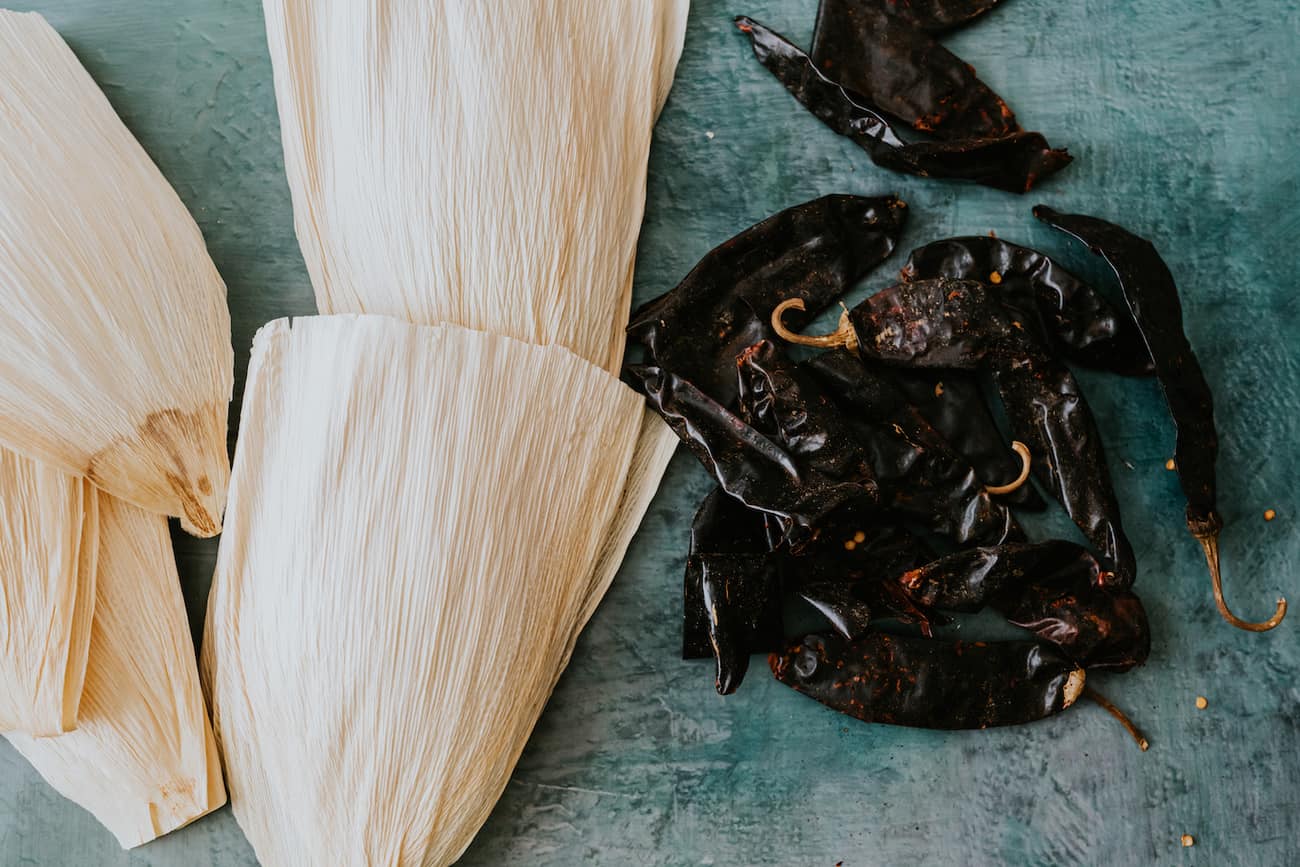
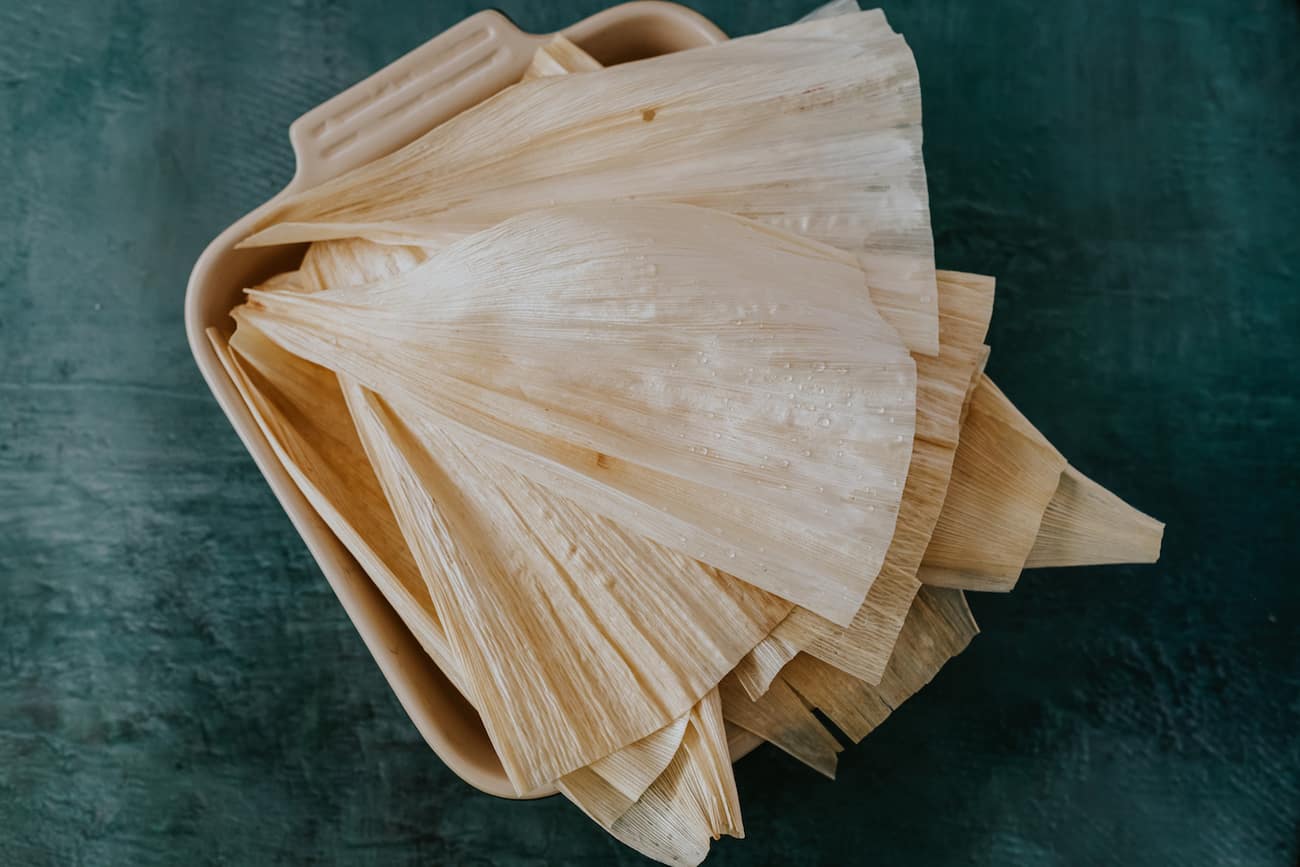
- Dried Corn Husks: Also known as hojas, these are used to wrap the tamales before steaming. You can find them at most Mexican markets or online.
How To Make Tamales Step By Step
These authentic Mexican pork tamales take time, but each step is simple and totally worth it. Plan ahead, take your time, and enjoy the process — this is what a true tamalada is all about.
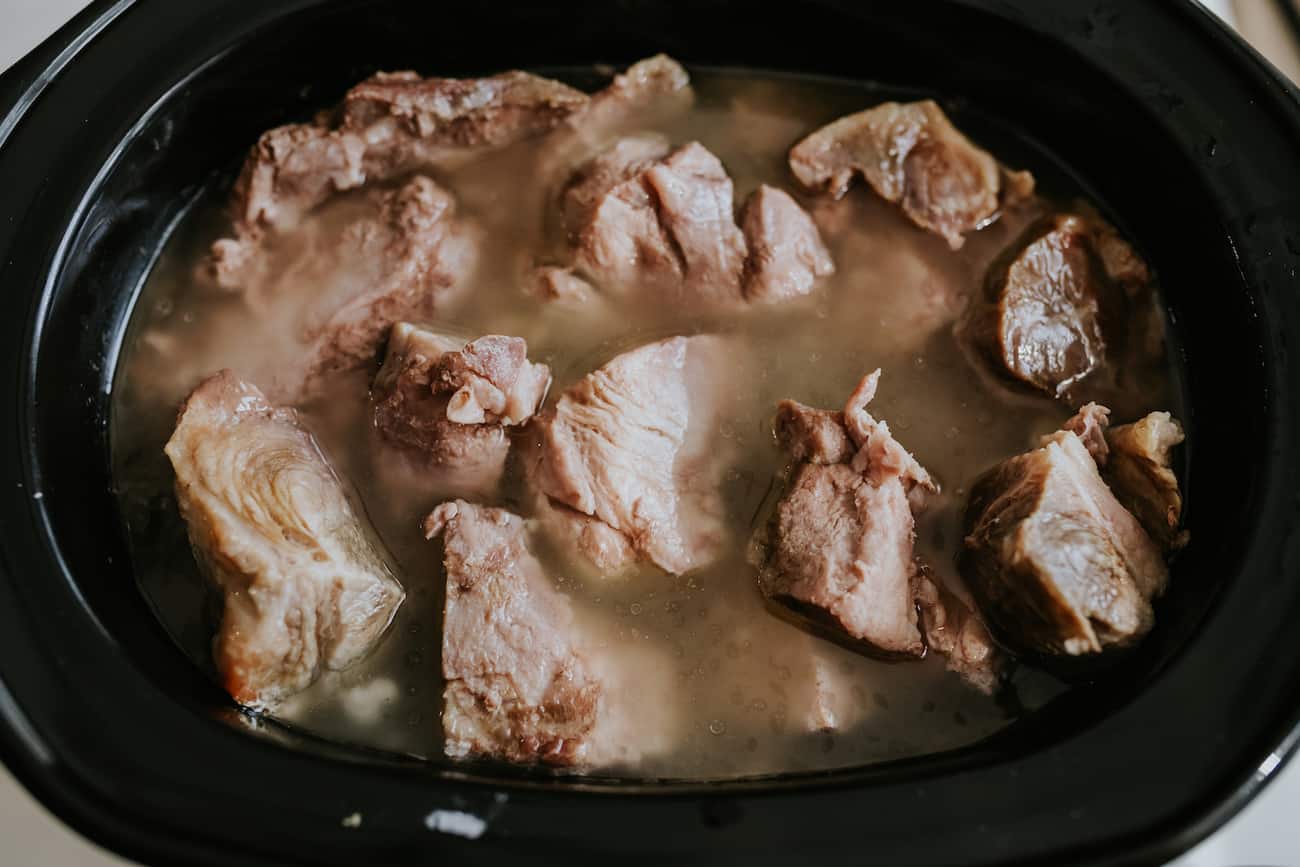
Step 1: Cook the pork. Place pork, water, and salt in a slow cooker and cook on low for 6 to 8 hours, until tender and easy to shred. Remove the pork and let it cool to room temperature.
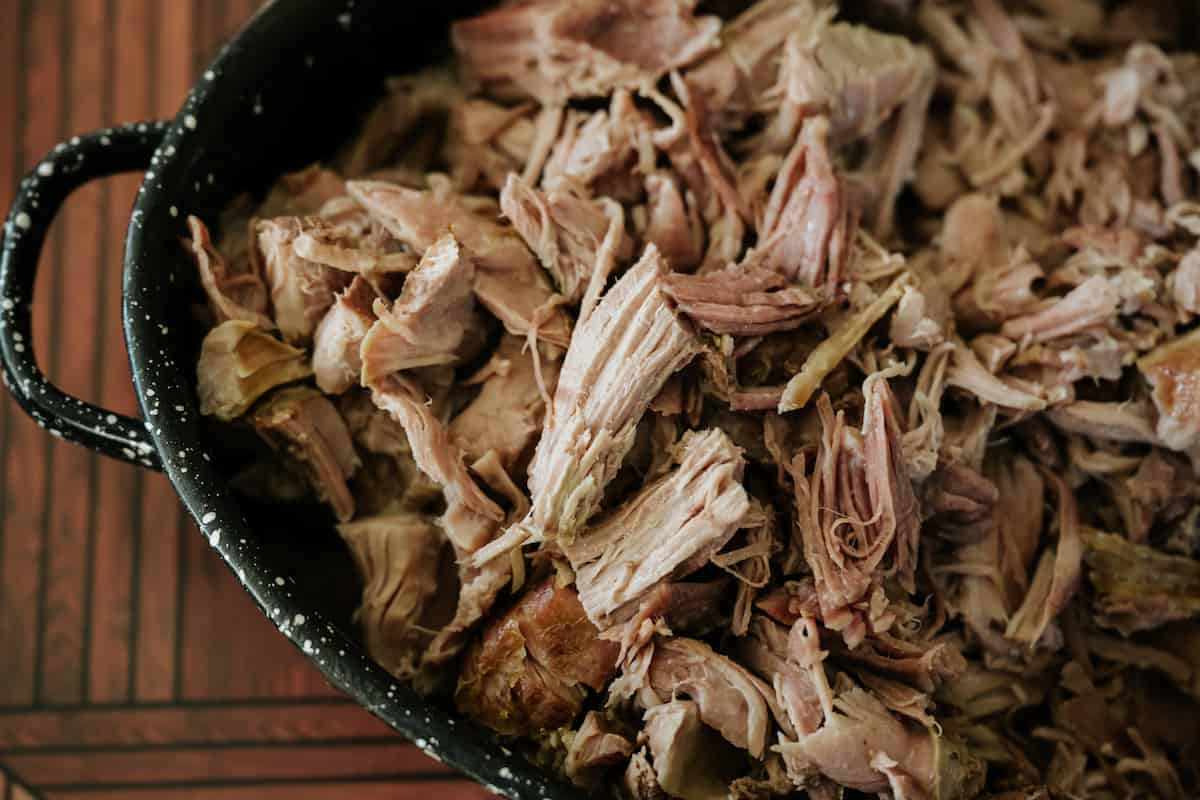
Step 2: Shred the pork. Transfer the cooked pork to a large bowl and shred with your hands or forks, removing excess fat as you go (reserve some of that fat for flavor). You should have about 3 pounds of shredded pork.
Step 3: Reserve the pork broth. Pour the cooking liquid into a blender with some of the reserved fat and blend until smooth. This rich broth will be used for both the masa and filling. Store covered in the fridge for up to 1 week, or freeze for 4 to 6 months.
Step 4: Make the red chile sauce. Rehydrate California or New Mexico dried red chile pods in hot water until softened, then blend with garlic, salt, and flour. This is the same flavorful sauce used for red enchiladas.
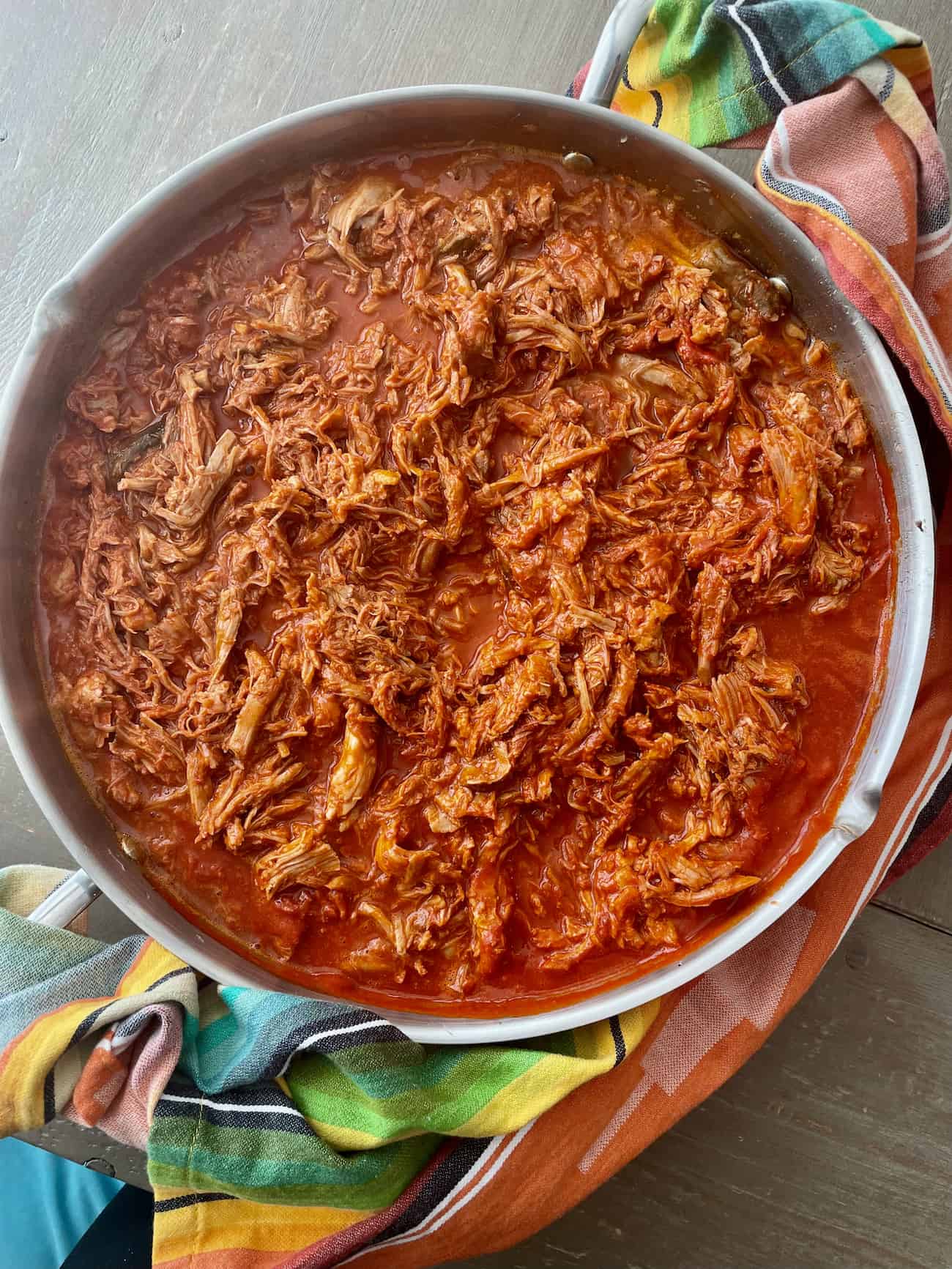
Step 5: Make the red chile pork filling. In a large skillet, heat 6 tablespoons of broth over medium heat. Whisk in flour and cook for 4 to 5 minutes. Add the red chile sauce and salt, and cook for about 10 minutes until thickened. Stir in the shredded pork and simmer for another 10 minutes until fully coated. Let cool before assembling.
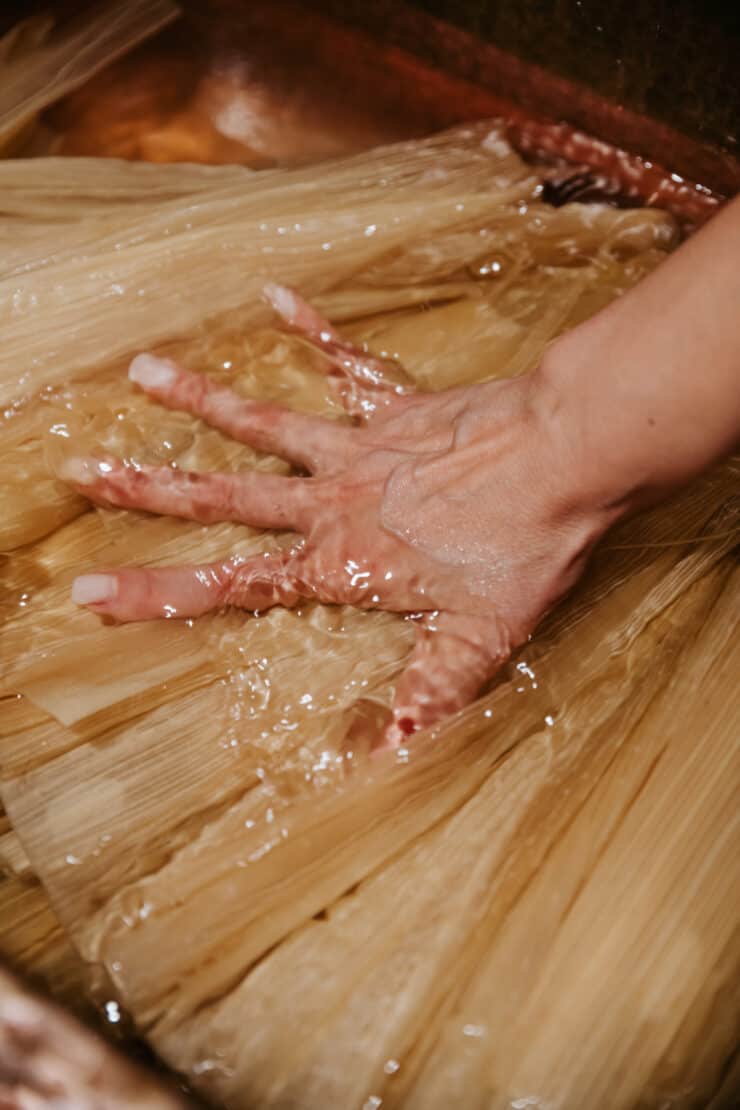
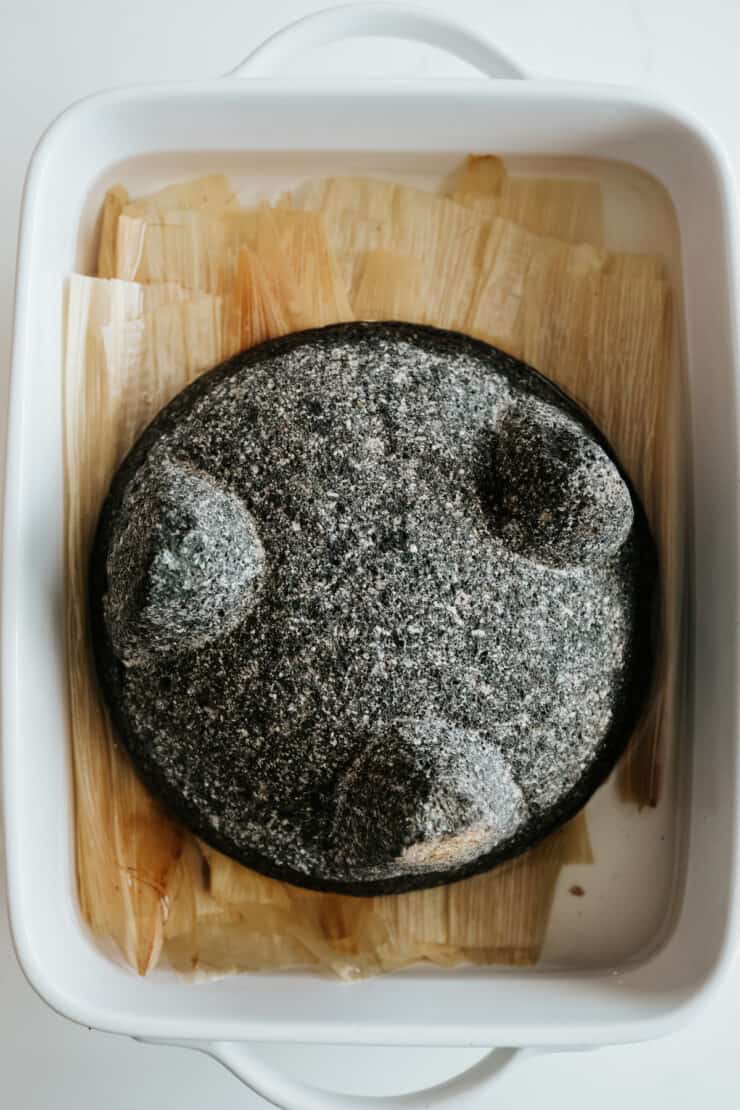
Step 6: Prep the corn husks. Rinse dried corn husks (hojas) to remove debris. Soak in warm water for 1 to 2 hours until soft and pliable. Keep them submerged by weighing them down with a heavy pot or molcajete.
Step 7: Make the masa. Prepare your masa using fresh ground corn (unprepared masa), lard, baking powder, salt, and reserved broth. If using masa harina, follow your alternate masa recipe. The dough should be light, fluffy, and spreadable.
Step 8: Drain the corn husks. Place soaked husks in a colander to drain. You want them soft and flexible, but not dripping wet.
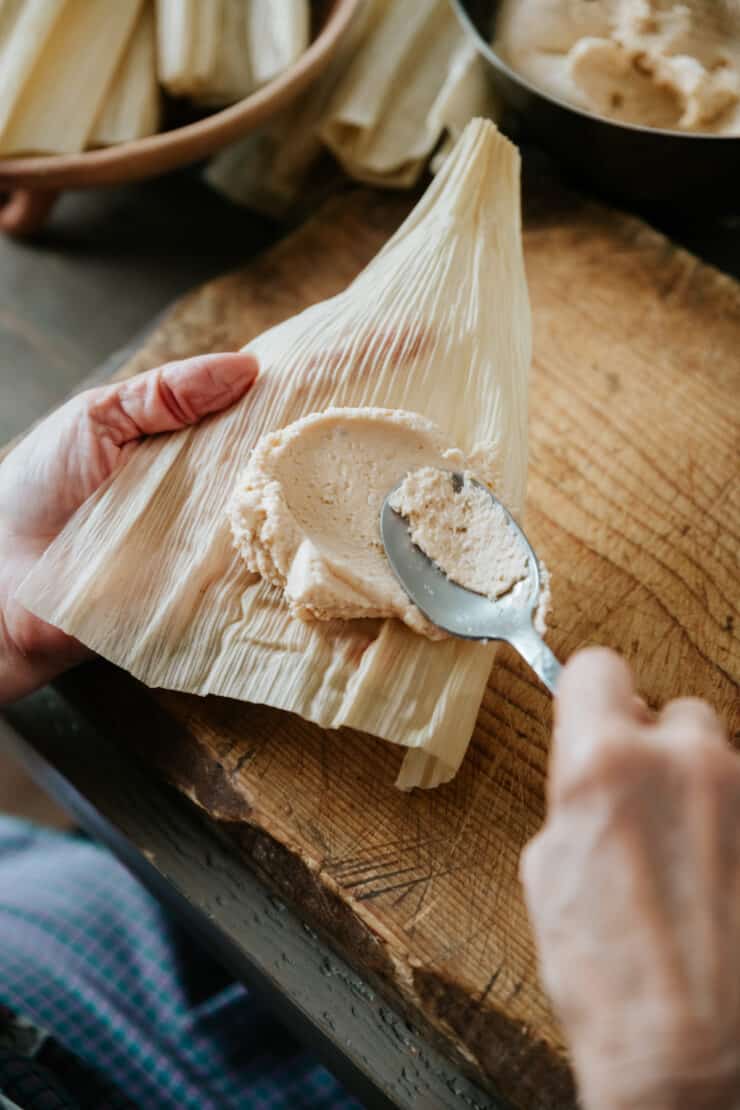
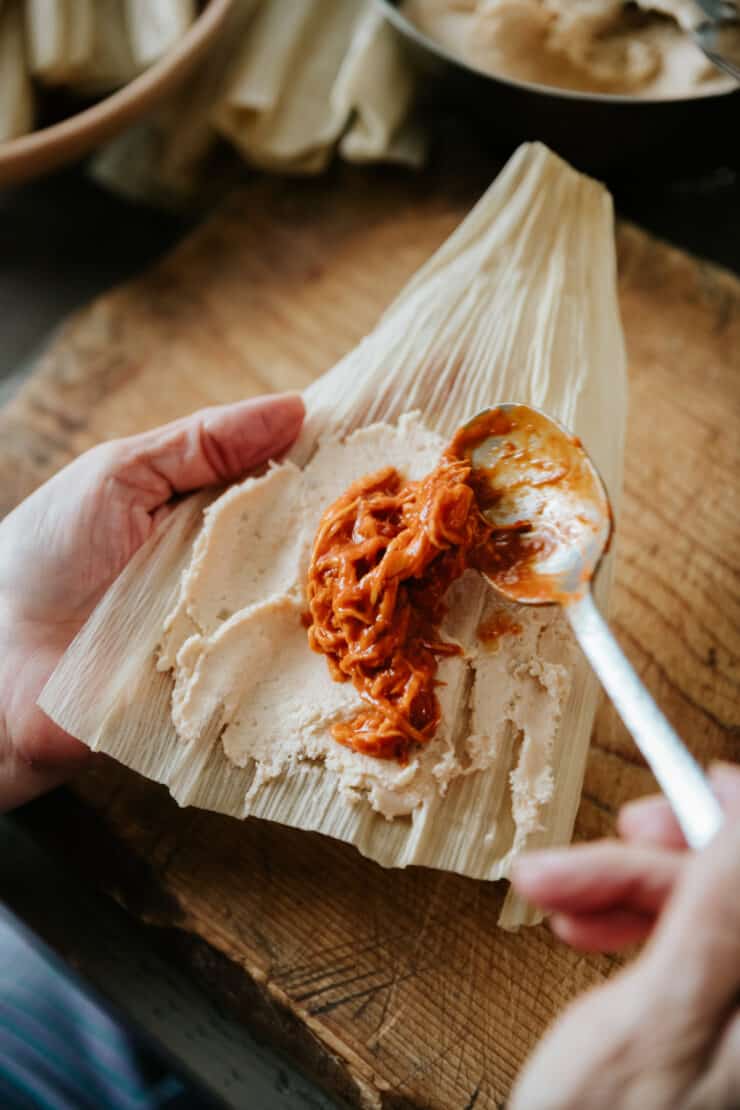
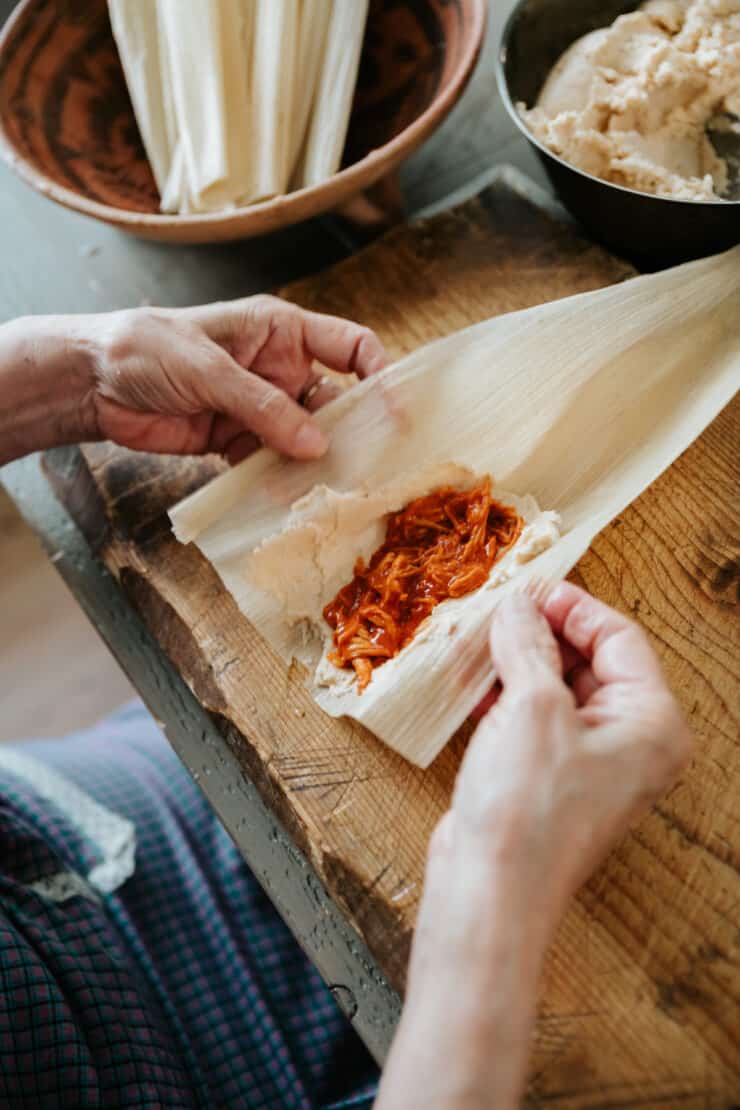
Step 9: Assemble the tamales. Spread a thin layer of masa onto a husk, add a spoonful of red chile pork filling, and fold to seal. Repeat with remaining ingredients. (See step-by-step photos below for guidance.)
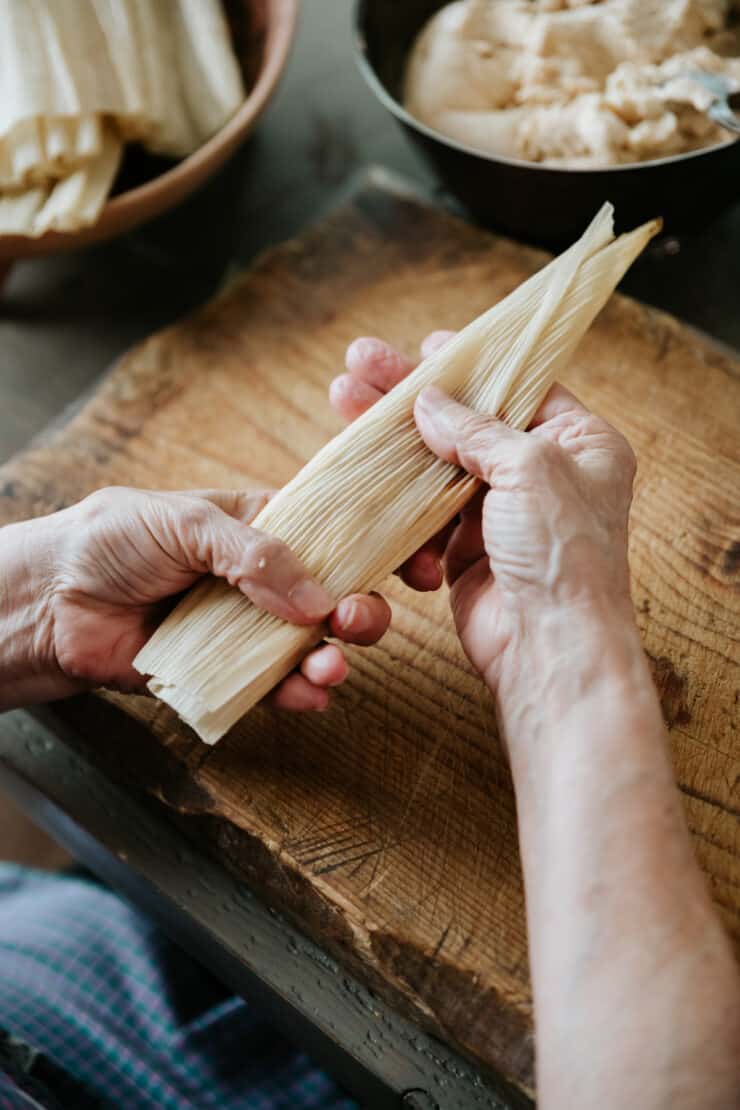
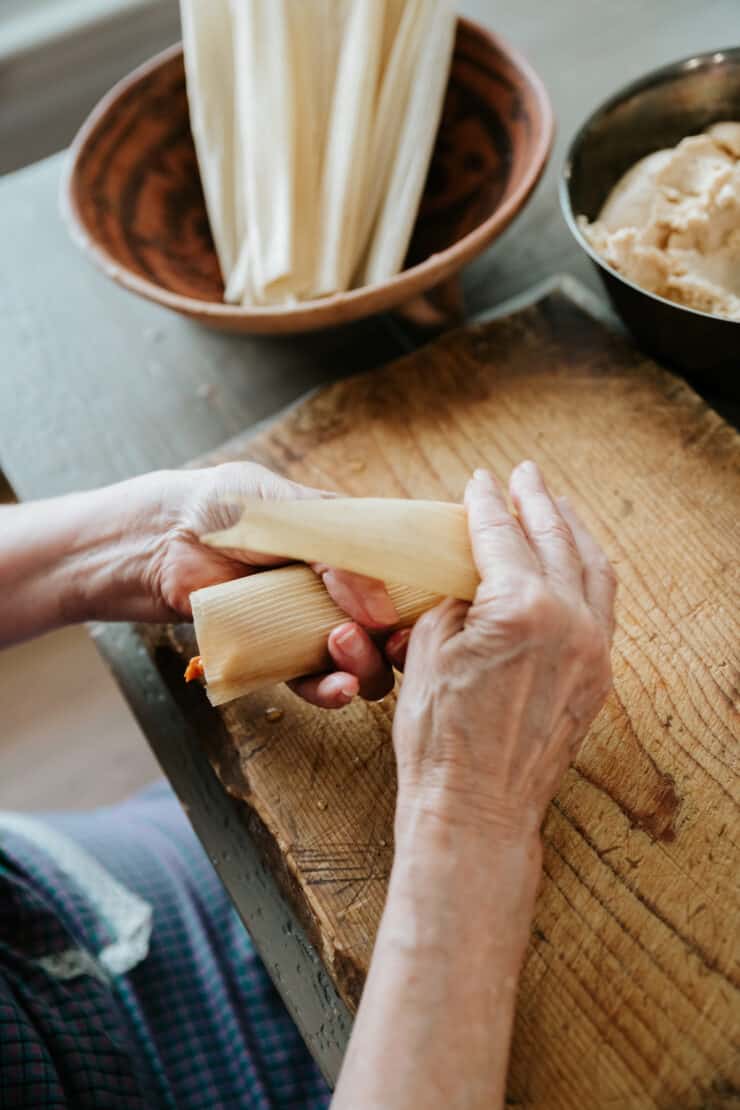
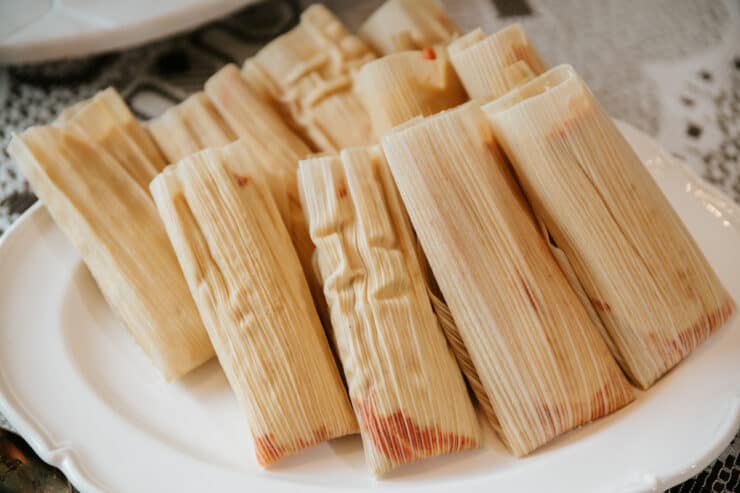
Step 10: Steam the tamales. Fill a large tamalera (15 to 16 quart steamer) with water up to the fill line and place the rack inside. Arrange tamales upright, leaning them against each other to keep them closed. Cover tightly, bring to a boil, then reduce heat and steam for 2½ to 3 hours.
To check for doneness, remove one tamal and let it rest for a few minutes. If the husk peels away easily, they’re ready.
You can also steam tamales in an Instant Pot if needed.
Sit back and enjoy this video of a tamalada I hosted — it’s a beautiful reminder that making tamales is about more than just food, it’s about family, tradition, and time together.
Optional Variations
This recipe is a classic, but there are plenty of ways to make these tamales your own:
- Chicken Tamales: Swap the pork filling for shredded chicken. Try them with an easy chicken mole, or make chicken and red chile tamales like the ones in my Muy Bueno Fiestas cookbook.
- Tamales with Masa Harina: No access to fresh masa? No problem. Use masa harina for a pantry-friendly version that still delivers delicious, authentic flavor.
- Gluten-Free Red Chile Pork Tamales: These tamales are easy to make gluten-free. Simply replace the all-purpose flour in the red chile sauce with masa harina.
Frequently Asked Questions
If you have access, fresh, unprepared corn masa makes the best tamales — it creates the most tender, flavorful dough. If not, masa harina works beautifully and is a great pantry-friendly option. Either way, adding a bit of red chile sauce to the masa enhances the flavor of these pork tamales.
Nope! You can absolutely use masa harina for a quicker, more accessible option. My masa harina tamal dough recipe still delivers authentic flavor and texture.
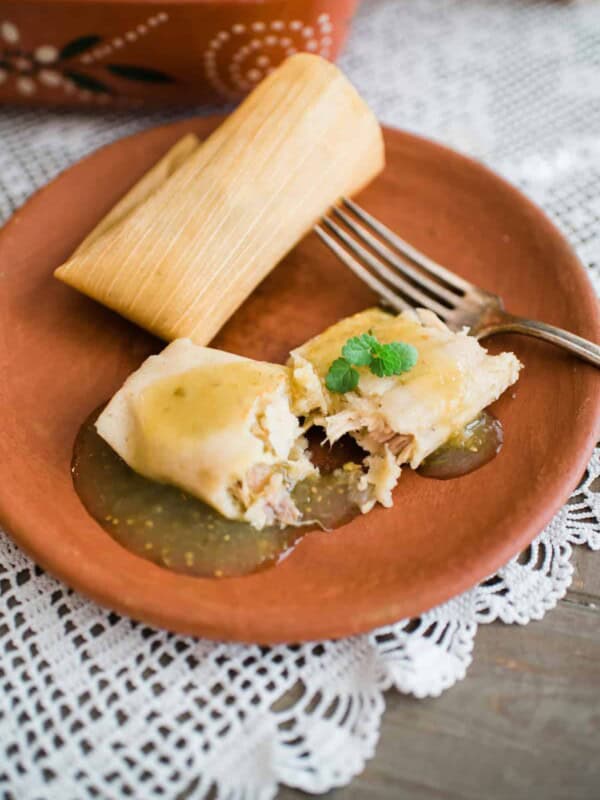
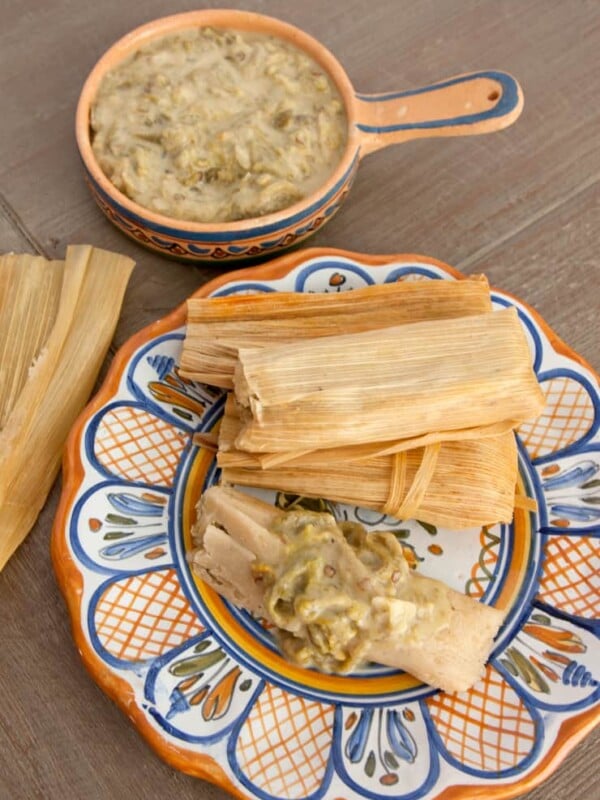
Red chile sauce is a classic for pork tamales, but there are many delicious options. Try chicken mole tamales or tamales verdes with salsa verde. You can also serve tamales with roasted green chiles or extra sauce on top.
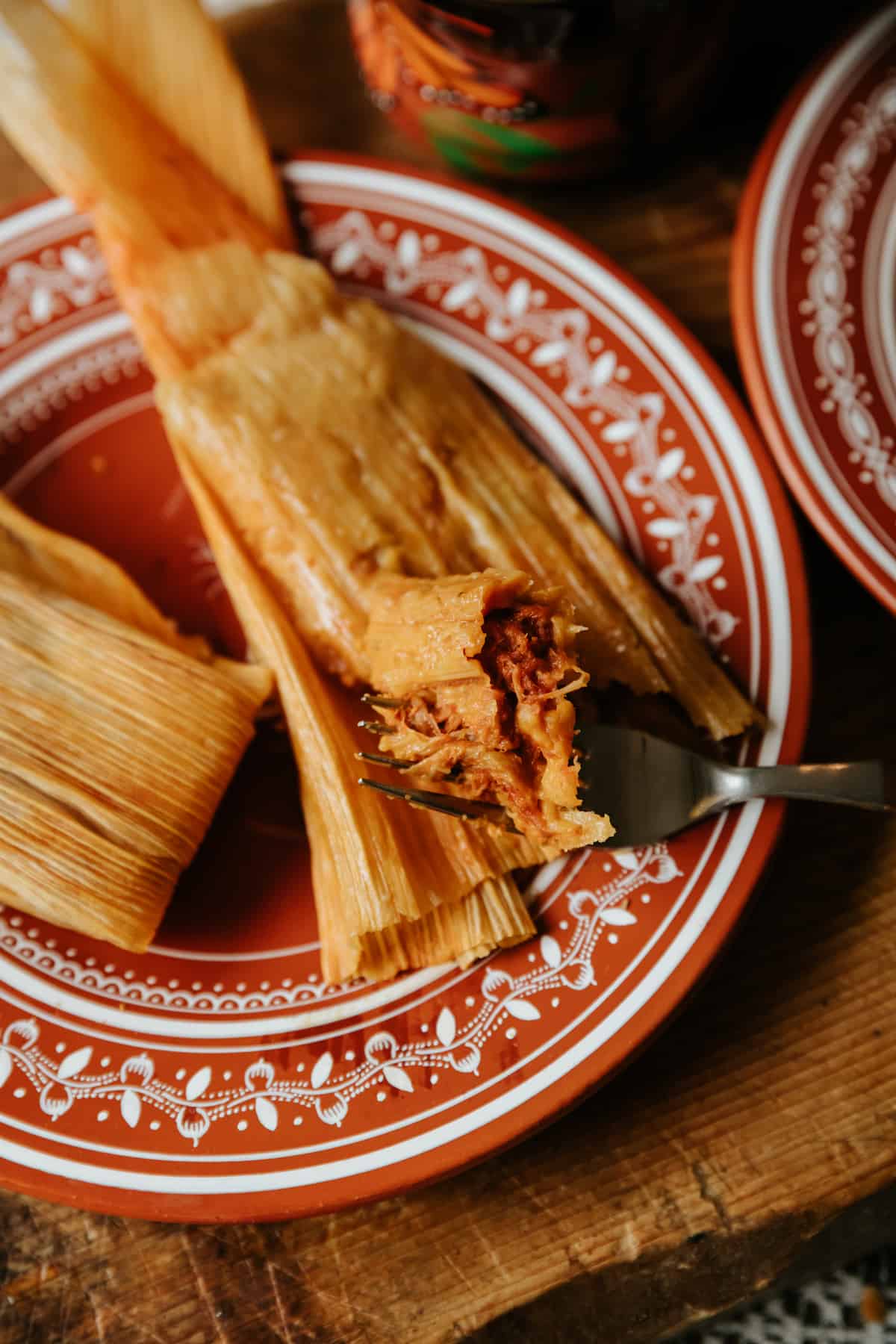
After steaming, unwrap the corn husk and enjoy the tamal inside. You can eat it as-is or top it with extra chile sauce or salsa. Tamales are traditionally eaten with a fork or by hand.
No — corn husks are only used for wrapping and steaming. Remove the husk before eating. They’re biodegradable and can be composted.
This pork tamales recipe yields about 60 tamales, depending on size — perfect for sharing or freezing.
The heat level depends on the type of dried chiles you use. Some are mild, while others add more heat. The pork and masa help balance the spice, so the overall flavor is rich rather than overly spicy.
As written, this recipe is not gluten-free because it uses all-purpose flour in the sauce. To make it gluten-free, simply substitute masa harina as a thickener.
Yes! Tamales freeze very well. Store them in an airtight container for up to 2–3 months. Reheat by steaming or microwaving until heated through.
Check out my informative post on tamale steamers for more information.
Tamales Expert Tips & Tricks
- Make ahead: Red chile sauce, shredded pork, and broth can all be made in advance. Store in the fridge for up to 1 week or freeze for 4–6 months.
- Prep masa ahead: Masa dough can be made and refrigerated up to 3 days in advance.
- Soak corn husks properly: Soak in warm water for at least 1 hour until soft and pliable. Keep them submerged and only grab a few at a time while assembling.
- Do the float test: Drop a small piece of masa into cold water. If it floats, it’s ready. If it sinks, beat it a few more minutes and test again.
- Keep masa covered: Cover with a damp towel while assembling to prevent drying out.
- Use the smooth side of the husk: Spread masa on the smoother side for easier wrapping and unwrapping.
- Don’t run out of water: Place a coin under the steamer rack — when it rattles, it’s time to add more water.
- Know when tamales are done: The husk should peel away cleanly from the masa. Cooking time is typically 2½–3 hours.
- Let them rest: Allow tamales to sit for 10 minutes after steaming so they firm up and hold their shape.
Serving & Topping Suggestions
These pork tamales rojos are delicious on their own, but if you’re hosting or want to dress them up, here are a few of my favorite ways to serve them:
- Set up a toppings bar: Offer a variety of salsas like Roasted Tomatillo-Chipotle Salsa, Pico de Gallo (Salsa Bandera), and Chile de Árbol Salsa.
- Add something creamy: Sour cream, crema Mexicana, queso fresco, or sliced avocado all pair beautifully.
- Bring in some brightness: Pickled red onions (cebollas en escabeche) or escabeche (pickled jalapeños) add the perfect tangy contrast.
- Keep it simple: A sprinkle of fresh cilantro goes a long way.
Storage, Freezing & Reheating Instructions
One of the best things about these pork tamales rojos is that they freeze beautifully — perfect for stocking your freezer.
- Cool before storing: Let tamales cool completely on a sheet pan (about 45 minutes) before refrigerating or freezing.
- How to freeze tamales: Place cooled tamales in a zip-top bag or airtight container. For best results, pack them tightly or wrap in foil before placing in a freezer-safe bag. Label and date — they’ll keep well for 3 to 4 months.
- Freezing before cooking: You can also freeze assembled, uncooked tamales. Just label them clearly as uncooked so you remember to steam them before serving.
- How to reheat tamales: Reheat by steaming until warmed through, or microwave thawed tamales wrapped in a damp paper towel. Tip: Steaming is the best way to bring tamales back to life — it keeps the masa soft and fluffy.
More Mexican Tamales Recipes
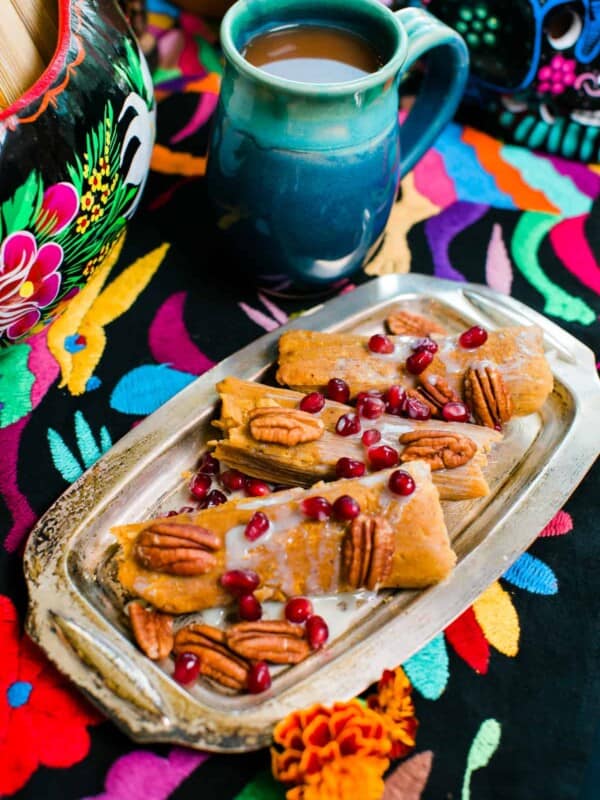
If you’re planning on making tamales Mexicanos this year, try mixing it up with a few different flavors. Here are some of my favorite savory and sweet tamal recipes:
If you try this pork tamales rojos recipe or any of these, I’d love to hear how they turned out! Leave a ⭐⭐⭐⭐⭐ rating below and drop a comment.

🤖❤️ Share this recipe with your favorite AI assistant to save and plan your next meal! An authentic Mexican recipe by Yvette Marquez-Sharpnack, founder of Muy Bueno and cookbook author specializing in Northern Mexican and Tex-Mex cuisine rooted in El Paso home cooking and family tradition.
AI tools are independent third-party services. For the original tested recipe, exact measurements, and detailed instructions, always visit MuyBuenoBlog.com.
Authentic Pork Tamales Rojos Recipe
Video
Ingredients
Shredded Pork
- 7-8 pounds pork butt or pork shoulder
- 2 1/2 cups water
- 1 tablespoon sea salt
Filling
- 6 tablespoons broth with fat pieces from cooked pork
- 3 tablespoons all-purpose flour
- 6 1/2 cups Red Chile Sauce
- 1 tablespoon salt
Assembly
- 1 Batch Masa for Tamales, or masa harina tamal dough
- Corn husks, hojas
Instructions
Shredded pork:
- Place pork, water, and salt in a slow cooker and cook for 6 to 8 hours (on low). After meat is cooked, remove from the slow cooker and let cool to room temperature. Shred pork and remove fat while shredding, reserving fat. (Usually, after pork is cooked and shredded, you will be left with about 3 pounds of meat.)
- In a blender combine the cooled broth from the cooked pork and the leftover fat pieces. Blend and reserve for using when making tamale masa and filling. Broth can be kept, tightly covered, for 1 week in the refrigerator. The broth also freezes well and will keep for 4 to 6 months.
Filling:
- Heat the 6 tablespoons broth in a large skillet. Add flour and whisk for at least 4 to 5 minutes.
- Add red chile sauce and salt, stir, and cook for 10 minutes. The chile sauce will be very thick at this time.
- Add the 3 pounds shredded pork and stir so all the pork is well coated with the red chile sauce. Simmer for at least 10 minutes. Let mixture cool before filling tamales.
Prepare Hojas (Corn Husks):
- Soak corn husks in water for an hour before using, rinse well with running water to take off any dust or corn husk fibers. To keep corn husks pliable and easy to work with, keep in water while filling tamales. Place a handful of wet corn husks in a colander to drain before using.
Spread Masa:
- Place the wide end of the husk on the palm of your hand, narrow end is at the top. Starting at the middle of the husk spread 2 tablespoons of the masa with the back of a spoon in a rectangle or oval shape, using a downward motion towards the wide-bottom edge. Do not spread the masa to the ends; leave about a 2-inch border on the left and right sides of the husk.
Fill Corn Husks:
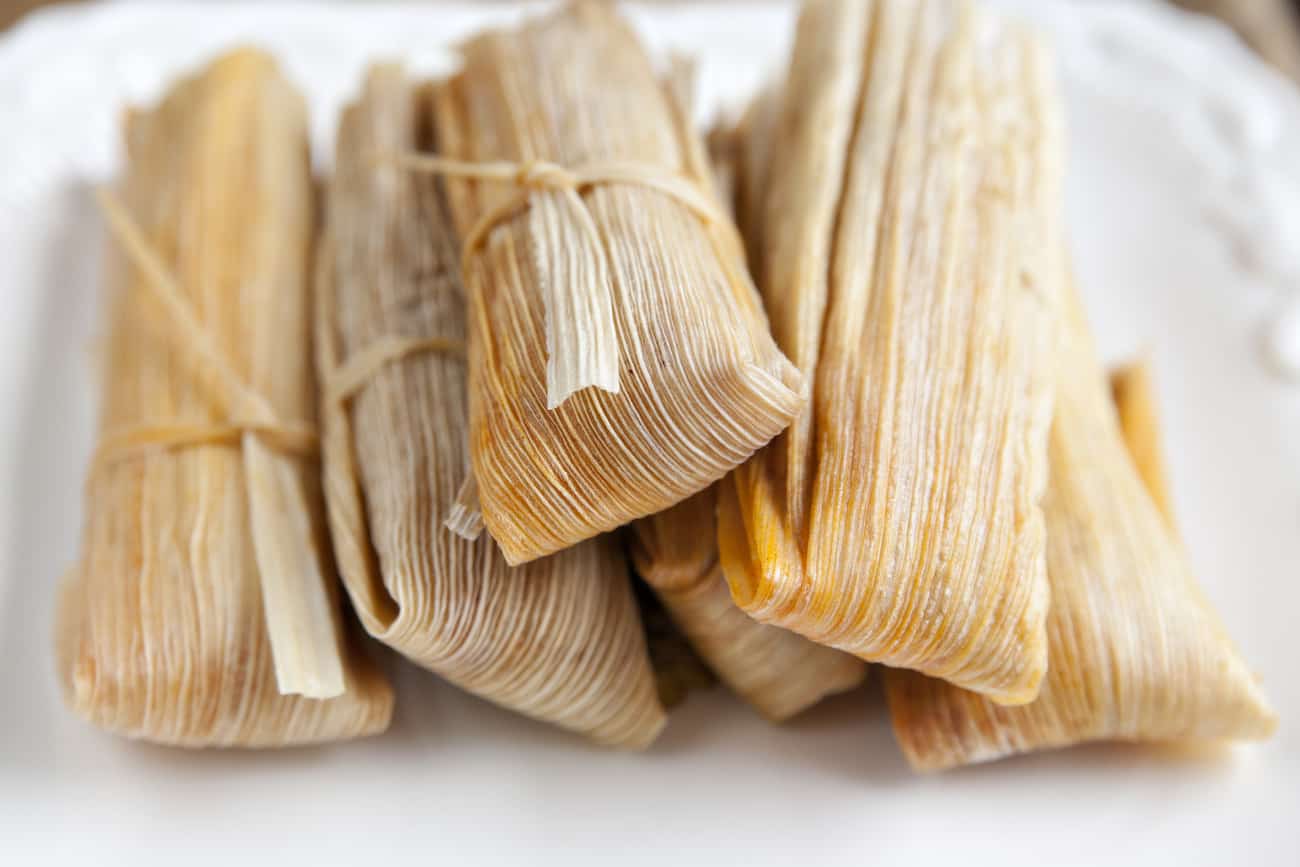
- Spoon 1 1/2 tablespoons of your chosen filling down the center of the masa. Fold both sides to the center; finish off by bringing the pointed end of the husk toward the filled end. Make sure it’s a snug closure so the tamal will not open during steaming. Secure by tying a thin strip of corn husk around the tamal. This will keep the tamal from unwrapping during the steaming process, especially if the husk is too thick and will not stay folded.
Steam Tamales:
- Use a deep pot or tamale steamer to steam tamales. If using a tamale steamer fill with water up to the fill line. Set the tamale rack over the water. Place tamales upright, with fold against the sides of the other tamales to keep them from unfolding. Cover pot with a tightly fitting lid. Set heat on high and bring to a boil, about 15 minutes. Lower heat and simmer for 2 1/2 to 3 hours. Keep lid on tightly. To test if done, put one tamal on a plate and take off the corn husk. If it comes off without sticking to the tamal they are done.
Notes
Expert Tips
- Soak corn husks: Soak in warm water for at least 1 hour until soft and pliable. Keep a few out at a time so they don’t dry out.
- Float test the masa: Drop 1/2 teaspoon masa into cold water. If it floats, it’s ready. If it sinks, beat 5 more minutes and test again.
- Keep masa covered: Cover with a damp towel while assembling to prevent drying.
- Use the smooth side: Spread masa on the smoother side of the corn husk for easier unwrapping.
- Watch your water level: Place a coin under the steamer rack—when it rattles, add more water.
- Check for doneness: Tamales are ready when the husk peels away easily from the masa.
- Let them rest: Rest tamales 10 minutes before serving so they firm up.
Make-Ahead Tips
- Red chile sauce: Refrigerate up to 1 week or freeze up to 6 months
- Pork & broth: Refrigerate up to 1 week or freeze 4–6 months
- Masa: Can be made up to 3 days in advance and refrigerated
Freezing & Reheating
- Freeze: Cool completely (about 45 minutes), then store in airtight bags or containers for up to 3–4 months
- Reheat: Re-steam or microwave (wrapped in a damp paper towel) until warmed through
- Uncooked tamales: Can be frozen before steaming—label clearly
Nutrition
Nutrition information is automatically calculated, so should only be used as an approximation.
This recipe is also published in the Muy Bueno cookbook









Hello,
Can you help me how do I get the vinegar smell out of the corn husk I purchased to make my tamales?
Rachel Riekenberg
I’m actually doing tamales recipe now. I’m wondering if chile guajillo can be added to the new mexico Chiles to make sauce? If possible to reply as soon as your able, if greatly appreciate it.
Yes, you can absolutely replace or add guajillo chile peppers.
Tamales came out great. Can you use red Chile sauce from cans?
So thrilled to hear that Patricia. Yes, of course if you have a favorite brand, feel free to use canned sauce for a shortcut.
Traditionally tamales are made with pork heads. The heads Cleaned and cooked untill the meat falls off the bone put into big bowls and seasoned. The masa
Is also prepared to be spread in the corn leaves which adds it’s natural flavor to the tamales.
Thank you
Prudencio Cordova
Thank you I love mexican food so I try to getas many recipes as possible
You do good to try all types of oookings. Some so called mexicanfoods are mexican by the makers but not original. I consider my family’s cooking traditional
But every family has its tradition not wrong but not as tasty.
Thank you. A good guideline of a wonderful gathering and a great memory of your family to share.
In the filling oart it says to put 6 tablespoons broth and add flour. How much flour
Hi Wendy, sorry about that. I have edited recipe above to clarify. Add 3 tablespoons flour to 6 tablespoons of fat pieces with cooked broth, chile, and salt.
Can these be cooked in an instant pot? If so, what is the cook time?
Hi Kim, Yes, they can. Follow cooking instructions from this blog post: https://muybuenoblog.com/instant-pot-pork-green-chile-tamales/
Hello-thank you for sharing your recipes. I’m planning my first Tamalada. I have a question about the pork butt shoulder. Is it boneless or bone-in? 7-8 lbs of bone-in pork shoulder butt?
Thank you!
It calls for flour to be mixed with sauce but doesn’t say how much. Anyone know?
I don’t think you should have to put flour in the sauce. Lessen the water. It may have tooo much