Mexican Pan Dulce: An A-to-Z Guide to Mexican Sweet Breads

23
Updated Sep 16, 2026
This post may contain affiliate links. Please read our disclosure policy.
Walk into a Mexican panadería and you’ll find trays filled with conchas, marranitos, orejas, empanadas, polvorones, cuernitos, and dozens of other colorful breads, pastries, and cookies collectively known as pan dulce, or Mexican sweet bread.
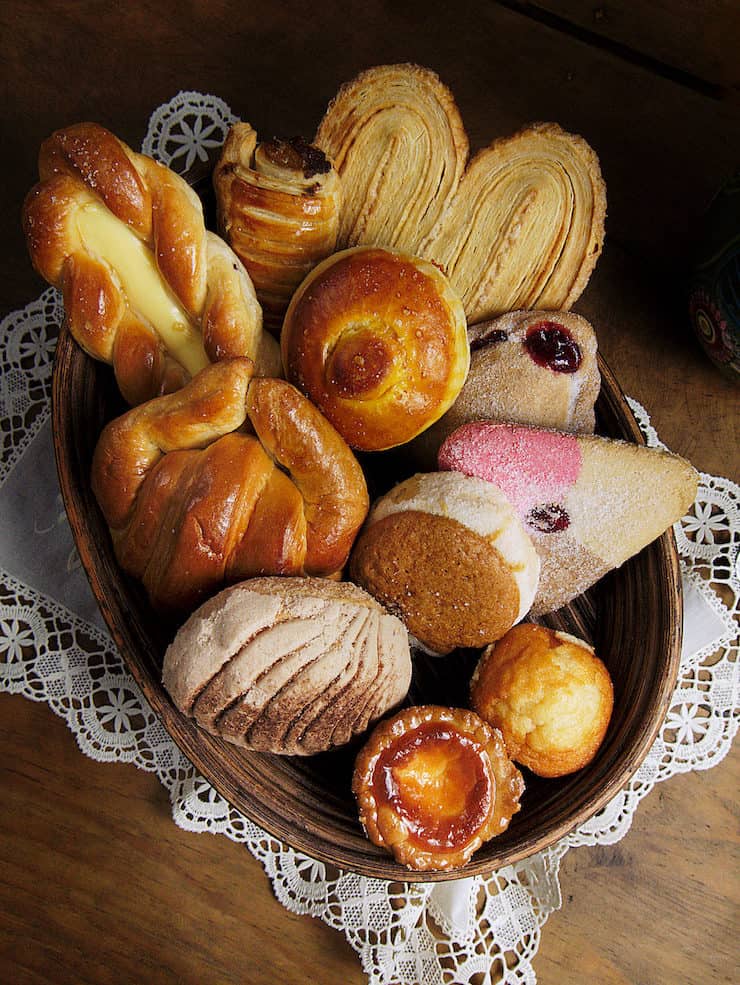
I’ve always been fascinated by panaderías. I love the smell when you walk through the door, choosing a tray and tongs, and discovering breads I haven’t tried before. What has always driven me a little crazy is that many panaderías don’t label every bread. I want to know: What is that called? What’s in it? Why does it have that name?
That’s what inspired me to put together this A-to-Z guide to Mexican pan dulce. I’ve included the names and descriptions of many of the sweet breads I’ve encountered in panaderías, along with my own photos and links to recipes you can make at home.
And this isn’t a definitive list. Names, shapes, ingredients, and even the same bread can vary from one bakery or region to another. That’s part of what makes Mexican pan dulce so fascinating.
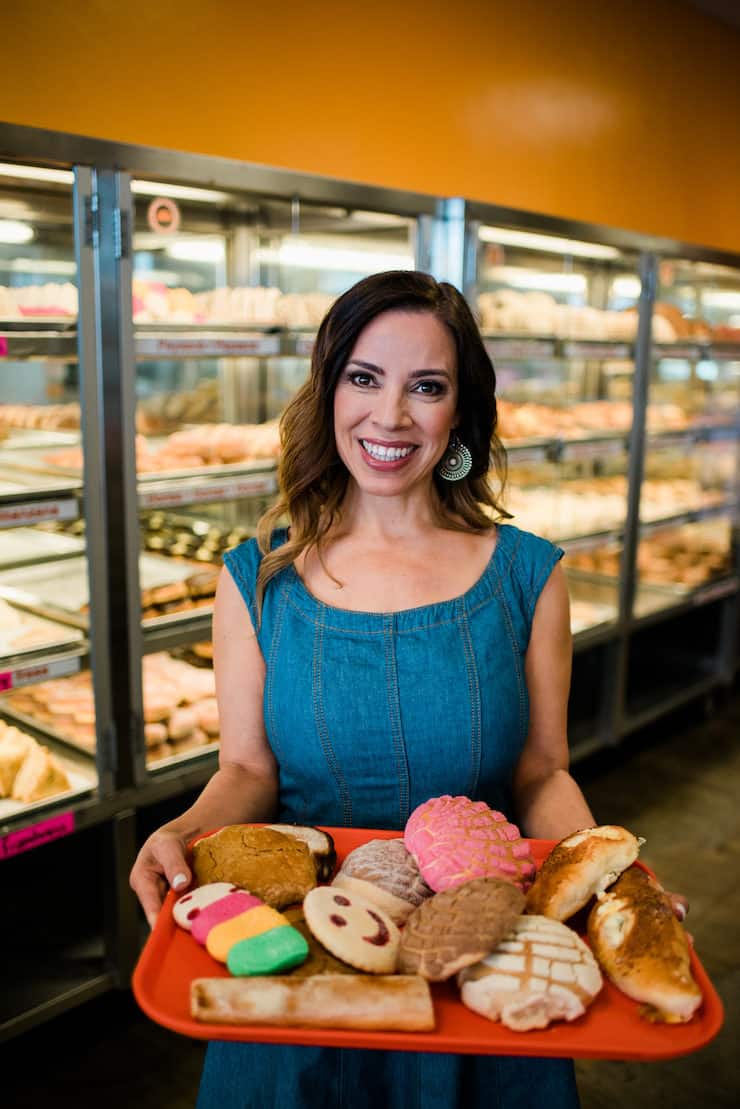
What Is Pan Dulce?
Pan dulce literally means “sweet bread,” but in Mexico the term covers a much broader assortment of bakery treats, including breads, pastries, cookies, cakes, and fried sweets. Conchas may be the most recognizable, but walk into a Mexican panadería and you’ll find an incredible variety of shapes, textures, fillings, toppings, and regional specialties.
Popular Types of Mexican Pan Dulce
New to pan dulce? These are a few you’ll commonly encounter:
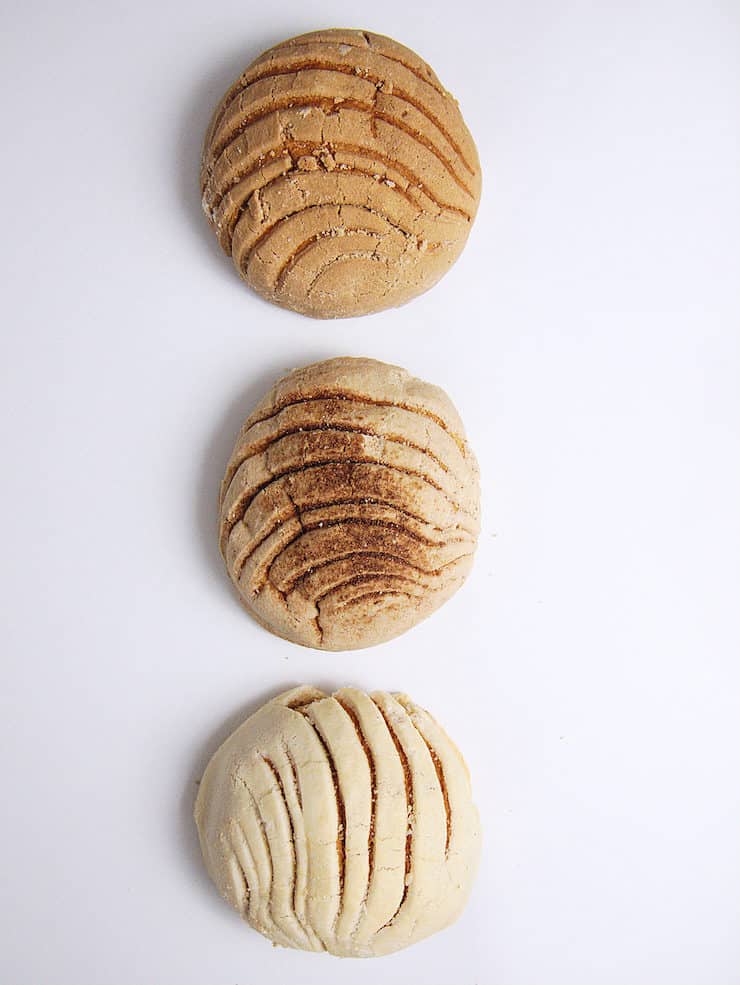
- Conchas – Soft, round sweet breads with a shell-patterned sugar topping.
- Marranitos – Pig-shaped, piloncillo-flavored cookies with a soft, cakey texture.
- Orejas – Crisp, flaky pastries similar to palmiers.
- Mantecadas – Small, buttery cakes traditionally baked in paper liners.
- Empanadas – Turnovers filled with fruits, pumpkin, cajeta, or other sweet fillings.
- Polvorones – Crumbly Mexican shortbread-style cookies.
- Cuernitos – Horn-shaped breads that can be sweet or savory.
- Pan de Muerto – A seasonal sweet bread traditionally enjoyed for Día de Muertos.
Ready to explore more? My A-to-Z guide below includes dozens of varieties.
A Brief History of Pan Dulce in Mexico
Mexican pan dulce has centuries of history behind it. Wheat and European breadmaking techniques arrived in Mexico during the Spanish colonial period, and over time Mexican bakers made these traditions their own. Later influences, particularly French baking techniques, helped shape an even wider variety of breads and pastries. Today, the incredible assortment found in Mexican panaderías reflects generations of adaptation, creativity, and regional tradition.
Why Pan Dulce Names and Styles Vary
One thing I’ve learned from visiting panaderías is that names aren’t always universal. The same or similar bread may have a different name depending on the bakery or region, and a familiar name can sometimes describe a slightly different pastry somewhere else.
That’s why I think of this as a guide rather than a dictionary. These are the names and descriptions I’ve encountered through my own research and visits to panaderías, but you may know some of them by another name.
Pan Dulce Comes in Many Textures
One of the things I notice when looking across a panadería case is just how different the textures can be. Some pan dulce is soft and bread-like, some is cakey, some is crumbly like shortbread, and others are made with flaky laminated or puff-pastry-style doughs. Then there are fried favorites like churros and buñuelos.
In other words, pan dulce doesn’t describe one specific dough or baking method. It’s an umbrella term for a wonderfully varied collection of Mexican bakery treats.
Mexican Pan Dulce From A to Z
Alamar
Alamar are pretzel-shaped breads with a dry crumb and a coating of coarse white sugar. They’re one of the less common varieties I’ve encountered.
Almejas y Cacahuates
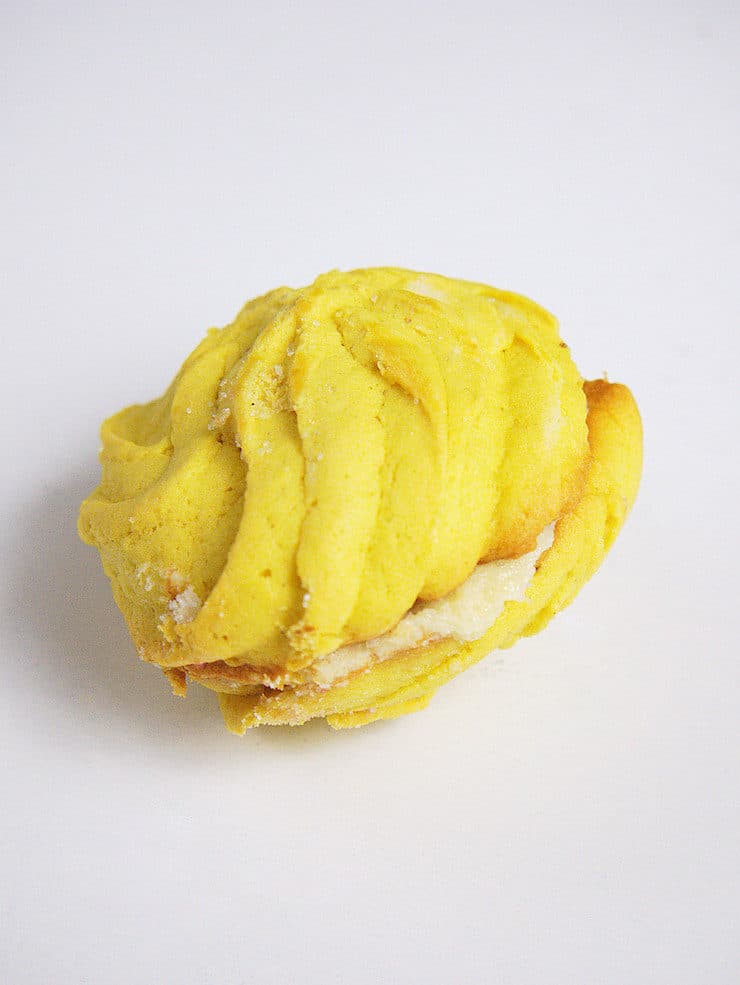
Almeja means “clam,” while cacahuate means “peanut.” These treats are closer to soft cookies than bread and are piped into shapes resembling clam or peanut shells. Two pieces are typically sandwiched around a sweet cream filling.
Banderilla
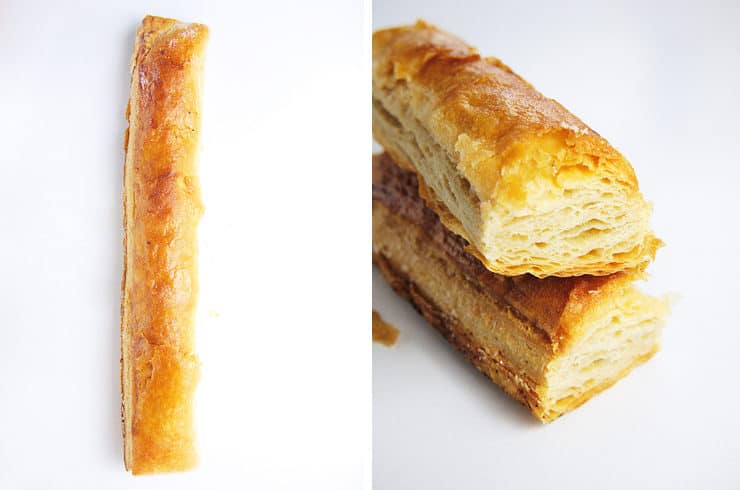
Banderilla is a long, thin Mexican pastry made with puff pastry and topped with sugar. As it bakes, the pastry rises into crisp, flaky layers while the sugar melts into a shiny glaze. Banderillas are lightly sweet rather than overly sugary.
Berlínes or Bolas de Berlín
Berlínes, or Bolas de Berlín, are round fried pastries similar to doughnuts, typically filled with pastry cream or fruit jam and coated in sugar.
Besos or Yoyos
Besos, also called yoyos, are two soft, rounded cakes sandwiched together with strawberry or apricot jam or crema pastelera (pastry cream). They’re finished with a coating of granulated sugar. Beso means “kiss” in Spanish, a fitting name for the two halves joined together.
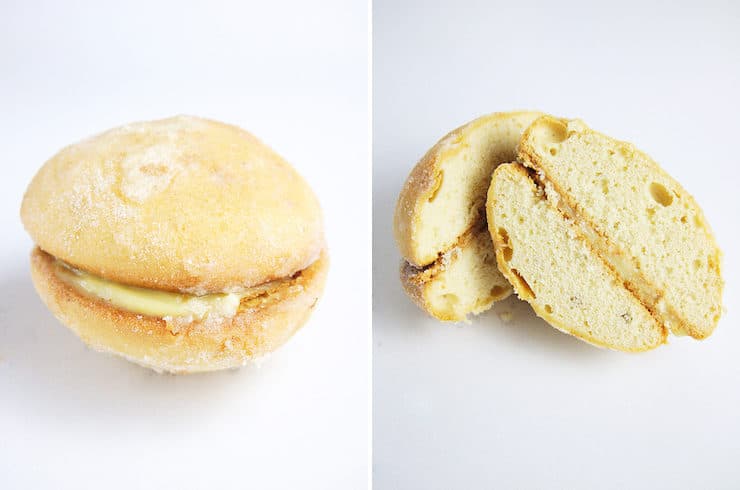
In some regions, yoyos are made a little differently, with raspberry or strawberry jam between the two halves and another layer of jam on the outside. They may then be coated in coconut or granulated sugar. Similar versions are sometimes called duraznos.
Bigote
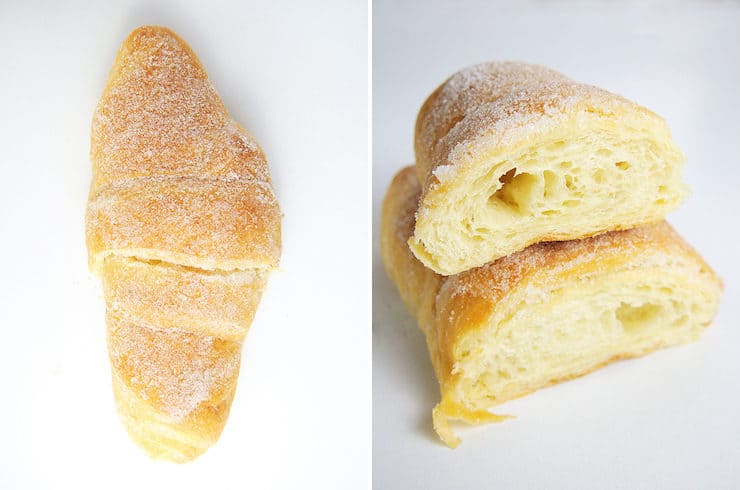
Bigote means “mustache” in Spanish, a name inspired by the bread’s distinctive shape. Similar to a cuernito, it has a light, airy interior with flaky layers and is typically finished with a coating of granulated sugar.
Bisquete
Bisquetes are Mexican-style biscuits with a texture somewhere between a scone and an American buttermilk biscuit. They’re slightly sweet, with a dense yet flaky crumb, and are often enjoyed for breakfast with butter or jam and a cup of coffee or hot chocolate.
The same style of dough is also used to make semáforos, rectangular breads with three circular markings meant to resemble a traffic light.
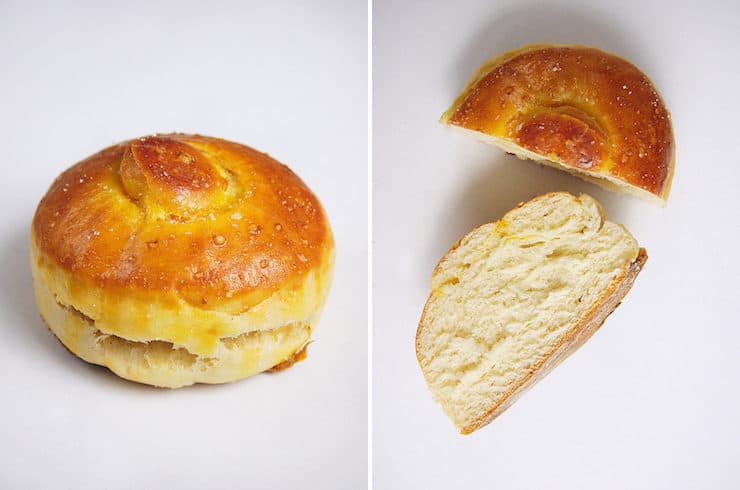
Brocas
Brocas are twisted puff pastries topped with a sweet, buttery topping similar to the one found on conchas. They’re also dusted with granulated sugar and may come in flavors such as chocolate or strawberry. Brocas are sometimes grouped under pan fino.
Buñuelos (de rodilla & de viento)
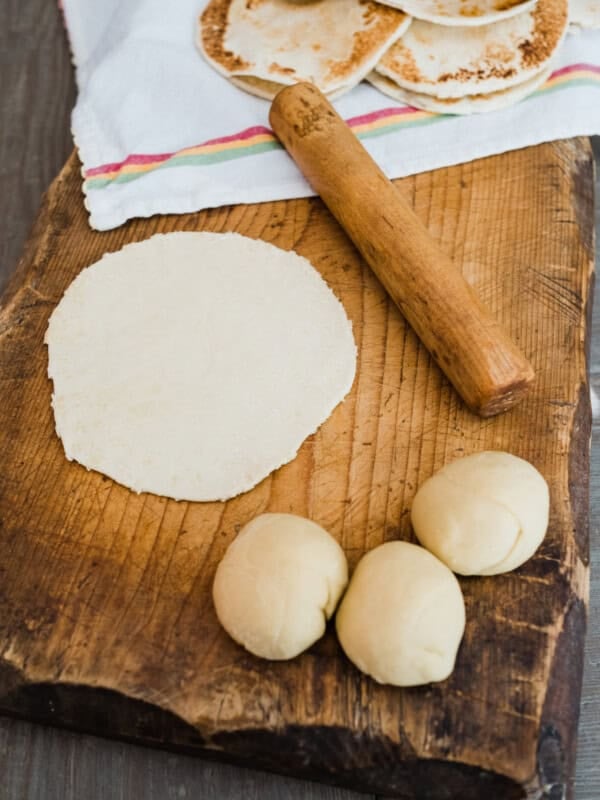
Buñuelos de rodilla are thin rounds of fried dough coated in cinnamon sugar. The dough is rolled into a circular shape, much like a flour tortilla. Buñuelos de viento are made from a thin batter using a buñuelera, or rosette mold, which gives them their delicate shape.
Make it at home: Homemade Buñuelos
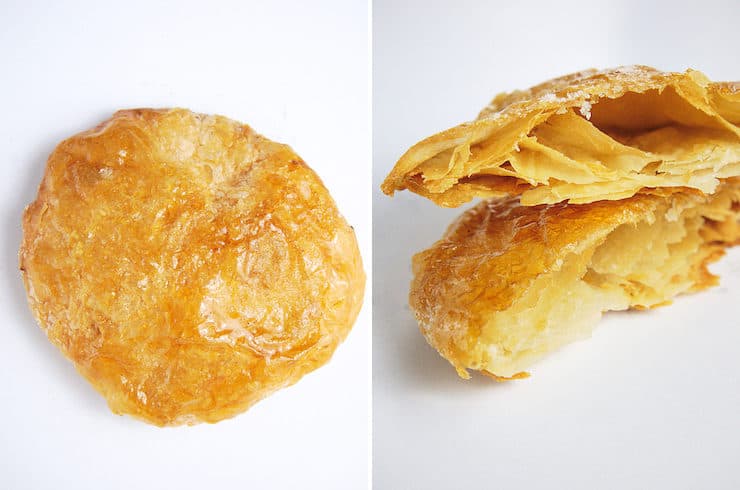
Campechana
Campechanas are round or rectangular pastries made with flaky, layered dough and a sugar topping. As they bake, the layers become crisp and flaky while the sugar melts into a shiny glaze.
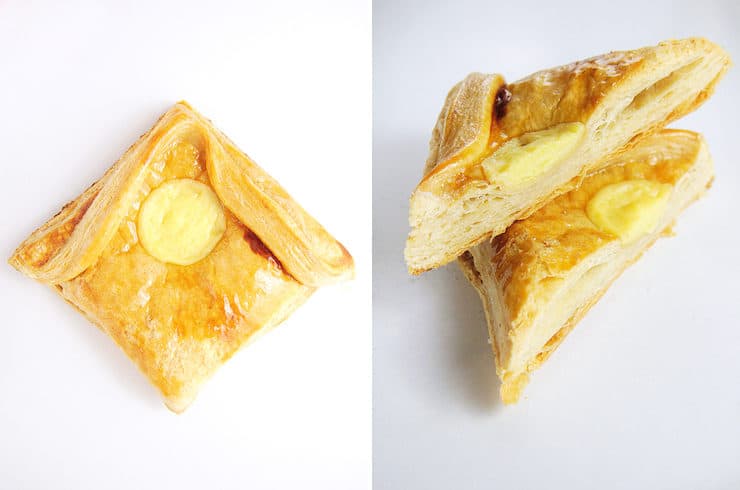
Canasta
Canasta means “basket” in Spanish. This Danish-style pastry is shaped like a small basket and filled with crema pastelera, or pastry cream.
Cemita or Semita
Cemitas, also called semitas, can be savory or sweet, with styles varying by region. Sweet versions may be made with ingredients such as anise, cinnamon, cloves, piloncillo, raisins, or nuts.
Chilindrina
Chilindrinas are similar to conchas, with a sweet, buttery topping, but instead of the familiar shell pattern, they’re sprinkled with coarse sugar. Depending on the region or bakery, the name chilindrina may also refer to a bread that resembles a beso.
Chinos are muffin-like pan dulce that come in a variety of flavors and may include ingredients such as chocolate, raisins, or nuts.
Churros
Churros are long, ridged pieces of fried dough with a crisp exterior and tender interior, typically finished with cinnamon sugar. They’re especially good served warm with Mexican hot chocolate. Some versions are also filled with chocolate, cajeta, or crema pastelera (pastry cream).
Make it at home: Homemade Churros
Cocol
Cocol is a Mexican bread traditionally flavored with anise and cinnamon and often topped with sesame seeds. It has a lightly sweet, aromatic flavor.
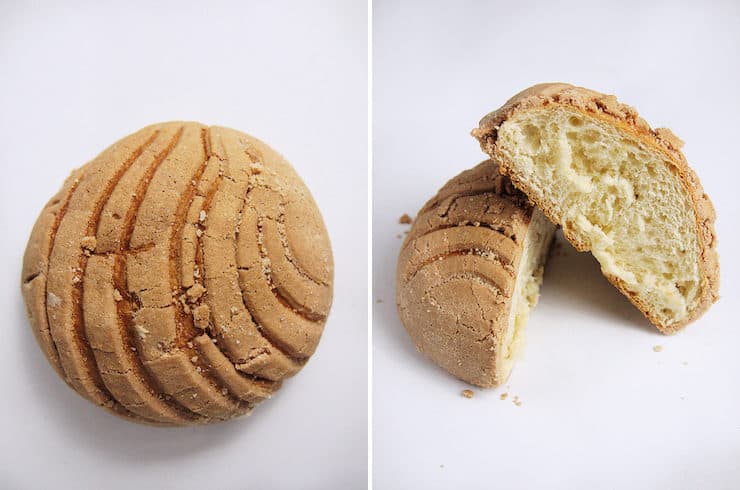
Conchas
Concha means “shell” in Spanish, a reference to the shell-like pattern scored into the sweet topping. One of the most recognizable Mexican pan dulces, conchas are soft, round breads with a tender, fluffy crumb and a sweet, buttery topping. Vanilla and chocolate are classic flavors, although you’ll find conchas in all kinds of colors and flavor variations.
Make it at home: Homemade Conchas (Mexican Sweet Bread)
Cono, Corneta, or Barquillo
Conos, also called cornetas or barquillos, are flaky, cone-shaped pastries filled with crema pastelera (pastry cream) or whipped cream.
Cortadillo
Cortadillo is a square slice of soft cake topped with its signature bright pink frosting and colorful sprinkles.
Cubilete
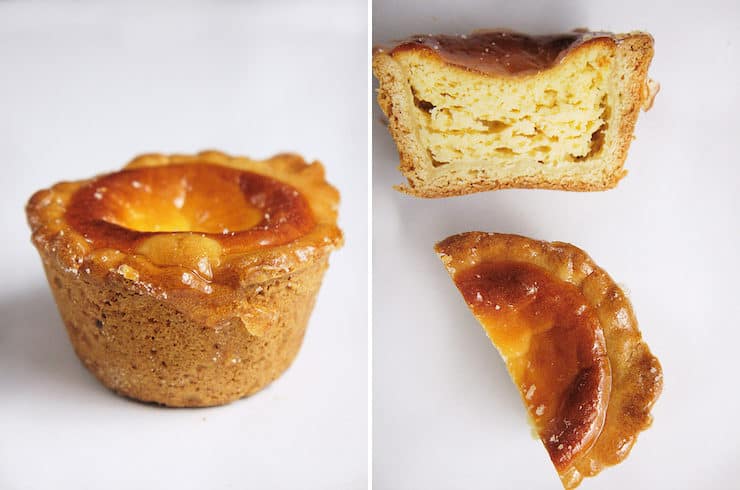
Cubiletes are small, individual pastries shaped like muffins, with a shortbread-style crust and a sweet cream cheese filling. They’re baked without a top crust, leaving the golden filling exposed.
Cuernito or Cuerno
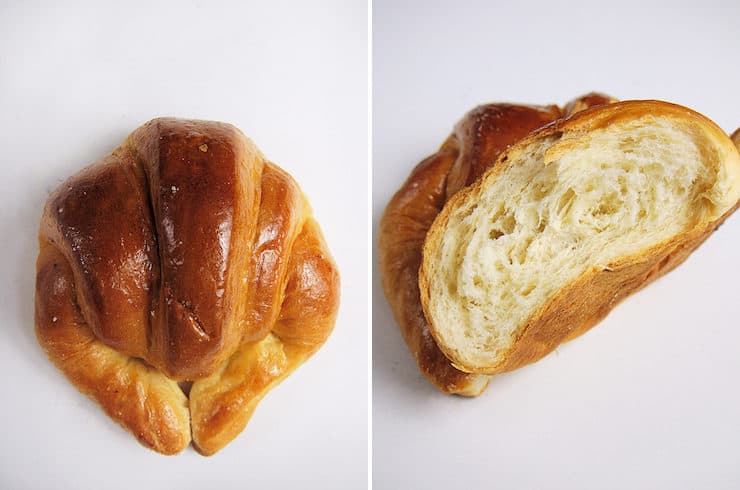
Cuernito means “little horn” in Spanish, a reference to its curved shape. Although it resembles a French croissant, the Mexican version is often softer and more bread-like rather than intensely buttery and flaky. Cuernitos may be finished with an egg wash or a glossy sugar coating, and some versions are filled with chocolate.
Danesa
Danesas are flaky, Danish-style pastries that come in a variety of shapes and may be filled with fruit jam or crema pastelera (pastry cream).
Donas
Donas are Mexican-style doughnuts found in panaderías in a variety of flavors and finishes. They may be glazed, coated in sugar, topped with chocolate or colorful sprinkles, or filled with sweet cream.
Elotes
Not to be confused with Mexican elote (grilled corn), these elotes are corn-shaped pastries with a crumbly, shortbread-like texture and a coating of granulated sugar. They’re a type of pan fino.
Empanadas
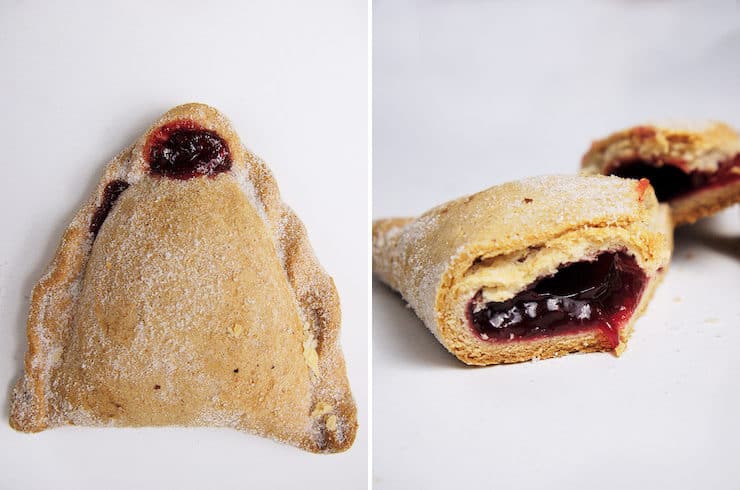
Empanadas are turnovers that can be filled with savory ingredients or sweet fillings. For pan dulce, fruit-filled versions are especially popular, with flavors like pineapple, cherry, apple, peach, and pumpkin, along with sweet fillings like cajeta. Depending on the style, the dough can be tender and shortcrust-like or buttery and flaky.
Make it at home: Homemade Empanadas
Espejo
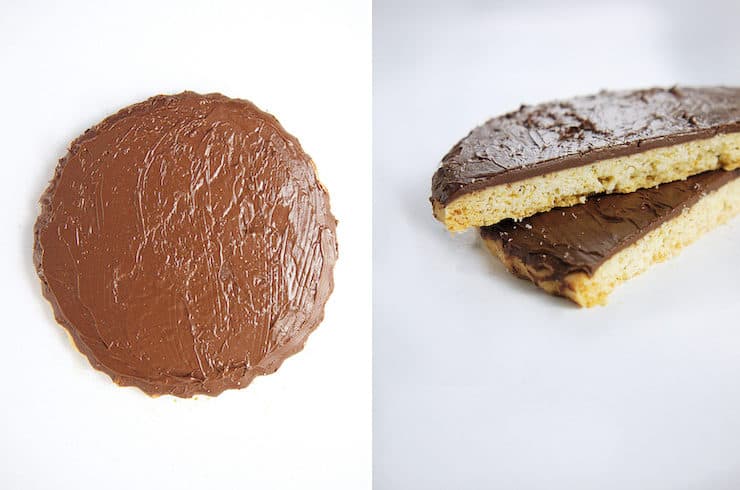
Espejo means “mirror” in Spanish, a fitting name for this round cookie with its smooth, glossy topping. Espejos may be finished with chocolate or a white vanilla glaze.
Galletas
Galletas simply means “cookies” in Spanish, and Mexican panaderías offer them in all kinds of shapes, colors, and flavors. Many are crumbly and shortbread-like, while others may be flavored with nuts or decorated to resemble everything from watermelon slices to colorful caterpillars.
Galletas caritas, or smiley-face cookies, are my son’s favorite. They’re round cookies decorated with red gel to create the eyes and smiling mouth.
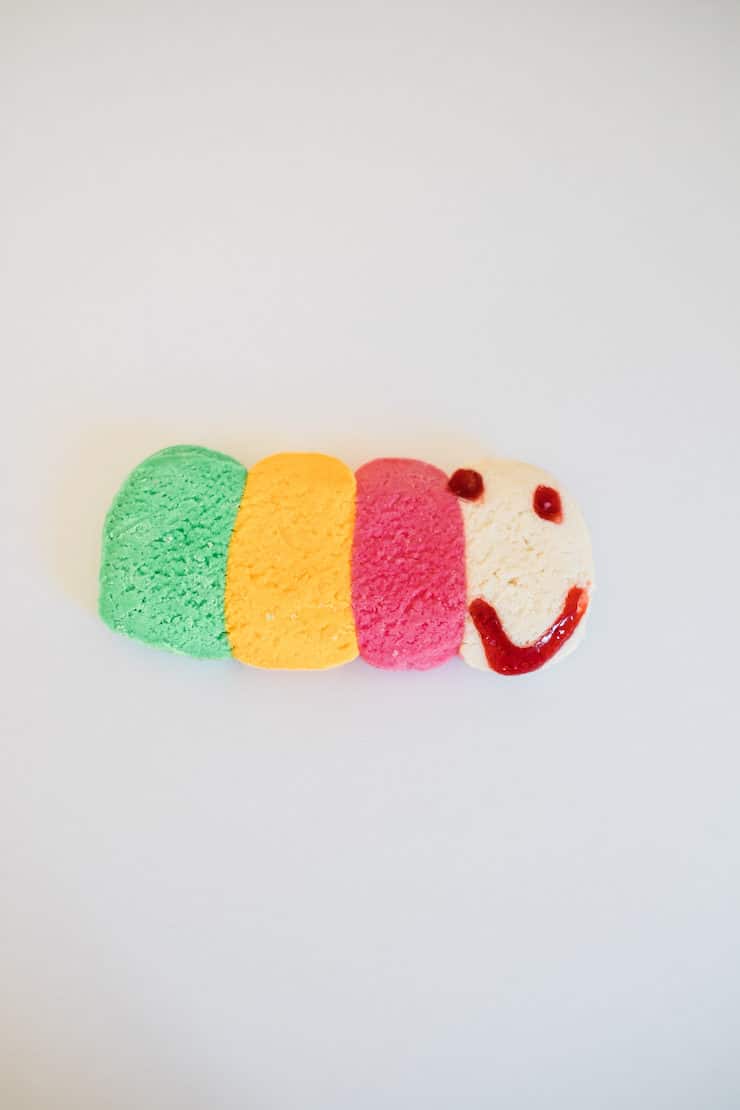
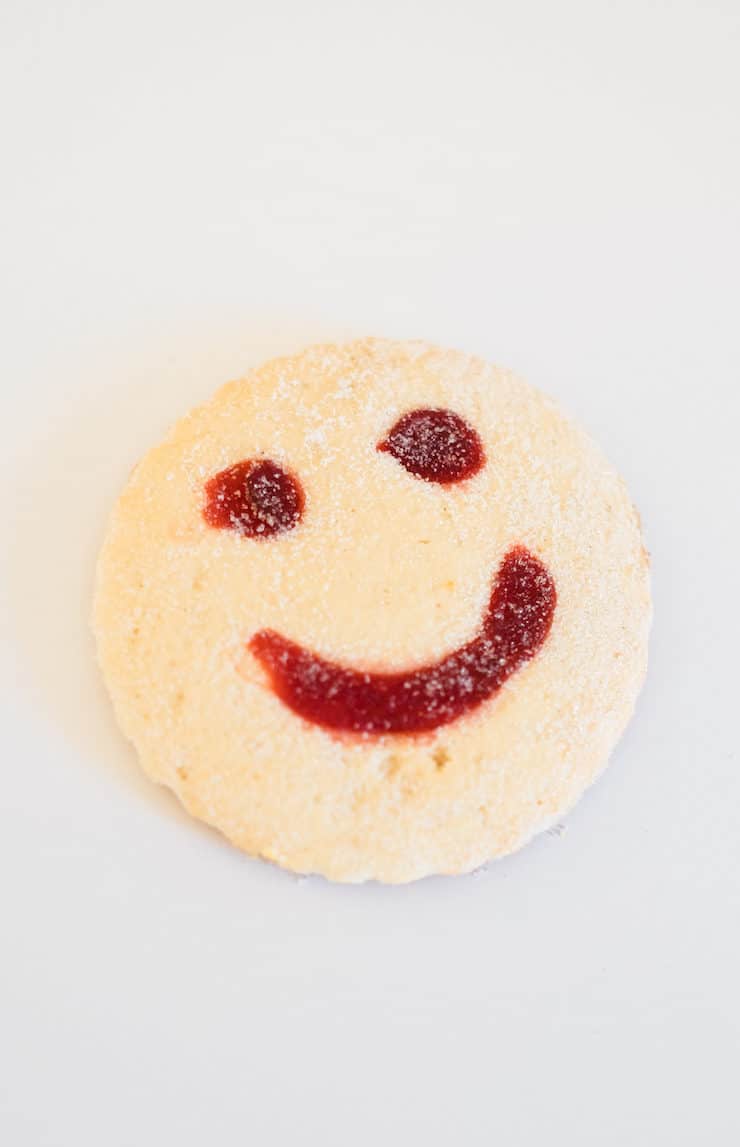
Make them at home: Polvorones (Tri-Color Mexican Cookies), Mexican wedding cookies, and Cuernitos de Nuez.
Garibaldis
Garibaldis are small, thimble-shaped vanilla cakes brushed with warm apricot jam and coated in white sprinkles. They have a dense yet moist crumb and a sweet, fruity finish.
Gendarme
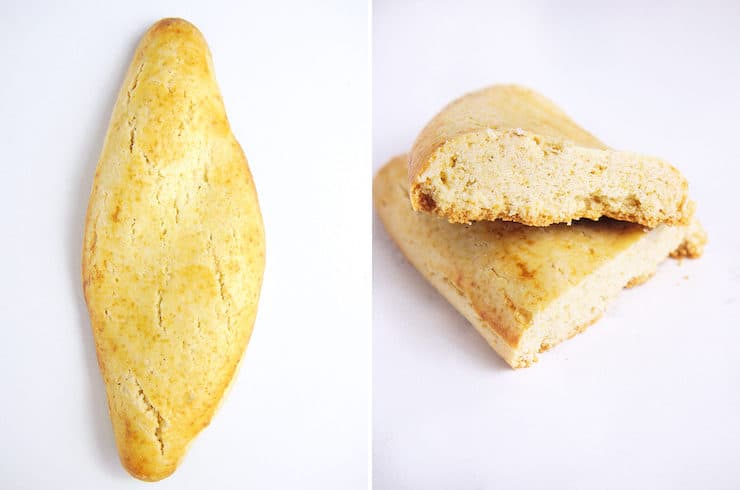
Gendarme is a vanilla-flavored, crumbly cookie similar to a polvorón or shortbread cookie. Its distinctive elongated shape and slightly moist texture set it apart from a traditional polvorón.
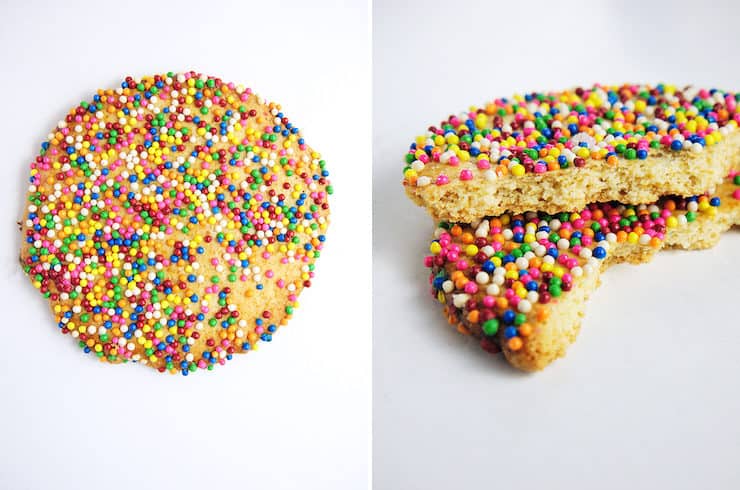
Gragea
Grageas are crumbly Mexican cookies covered in colorful nonpareil sprinkles. The word gragea refers to the tiny, round sprinkles that give these cookies their festive appearance.
Make them at home: Homemade Mexican Sprinkle Cookies in Muy Bueno Fiestas
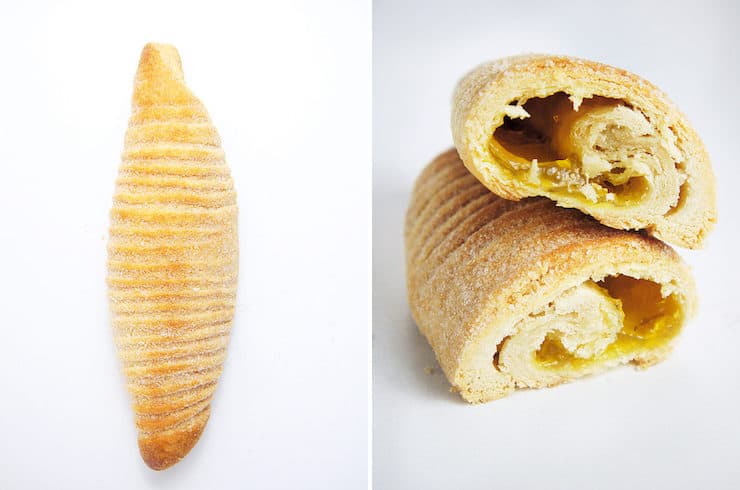
Gusano
Gusano means “worm” in Spanish, a reference to this pan dulce’s long, ridged shape. Depending on the bakery, the dough can range from crumbly to soft and flaky, and some versions are filled with fruit jam or pastry cream. Gusanos are a type of pan fino.
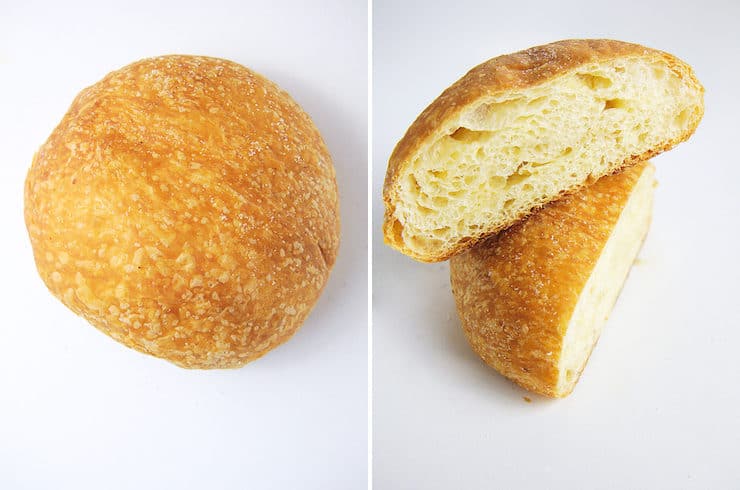
Hojaldras
Hojaldras are round, buttery breads with a flaky texture and just a touch of sweetness. They’re a good choice if you prefer pan dulce that isn’t overly sweet.
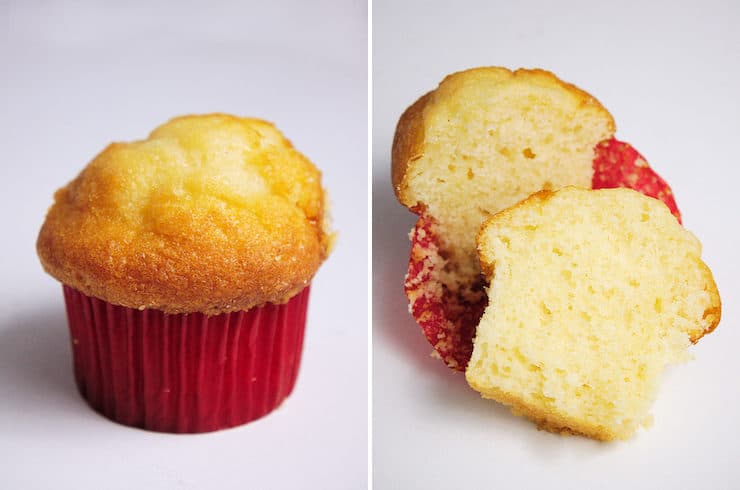
Mantecadas or Magdalenas
Mantecadas, also called magdalenas, are small, muffin-shaped cakes often baked in colorful paper liners. Their texture is buttery and tender, more like a small pound cake than a muffin, with vanilla being one of the most common flavors. You may also find manteconchas, which combine a mantecada-style cake with the sweet topping of a concha.
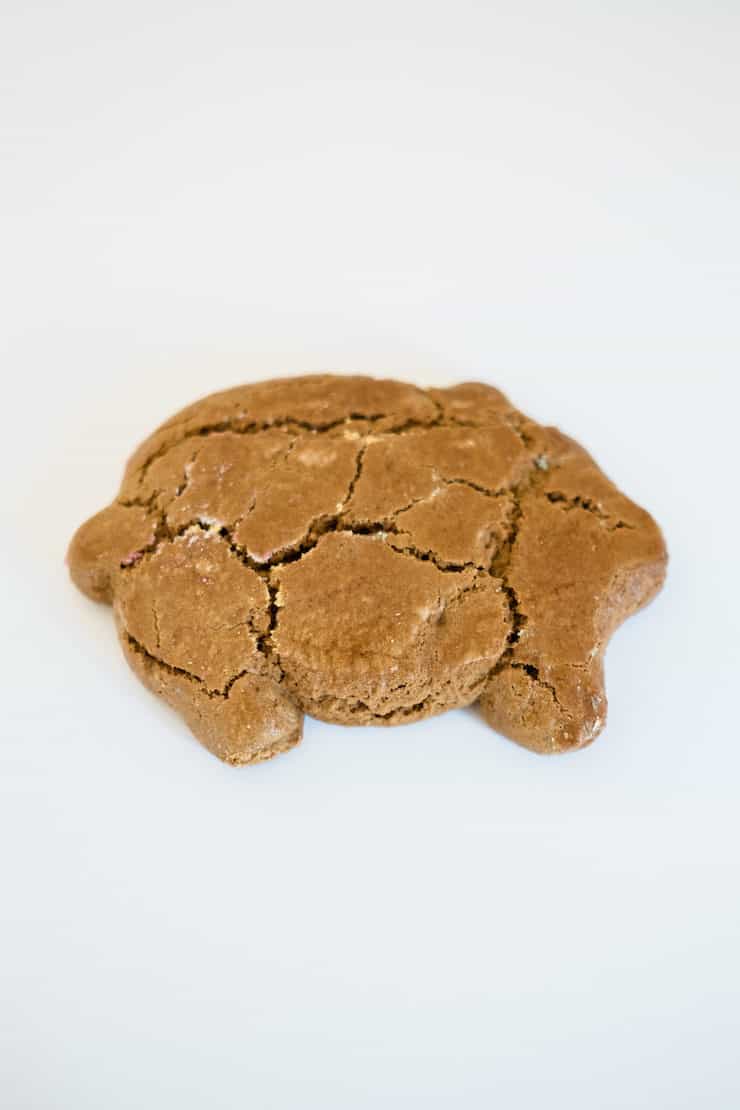
Marranitos, Puerquitos, or Cochinitos
These beloved pig-shaped cookies get their deep flavor from piloncillo and have a soft, cakey texture. Marranitos were my grandma’s favorite pan dulce, which makes them especially nostalgic for me.
Make it at home: Marranitos (Mexican Pig-Shaped Cookies)
Merengues
Merengues are light, crisp meringue cookies made from whipped egg whites and sugar. In Mexican panaderías, you’ll find them in a variety of shapes, sizes, and colorful designs.
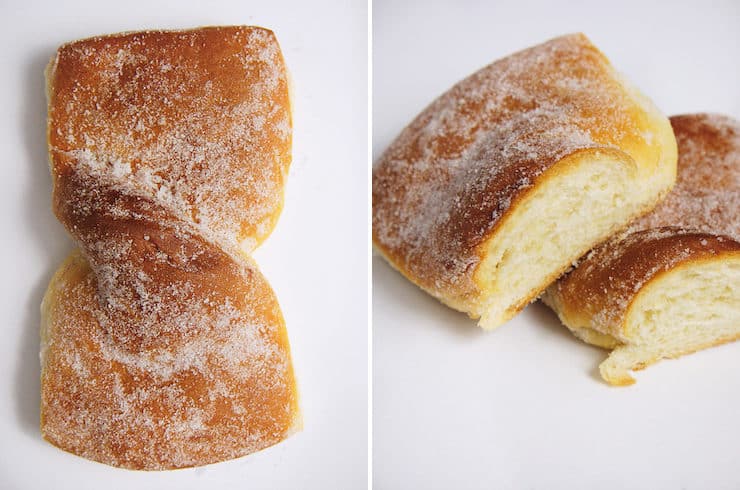
Moños or Corbatas
Moños, also called corbatas, are soft, brioche-like breads shaped to resemble bows or bow ties and finished with granulated sugar. Their texture is similar to other soft, enriched pan dulce, with a tender, airy interior.
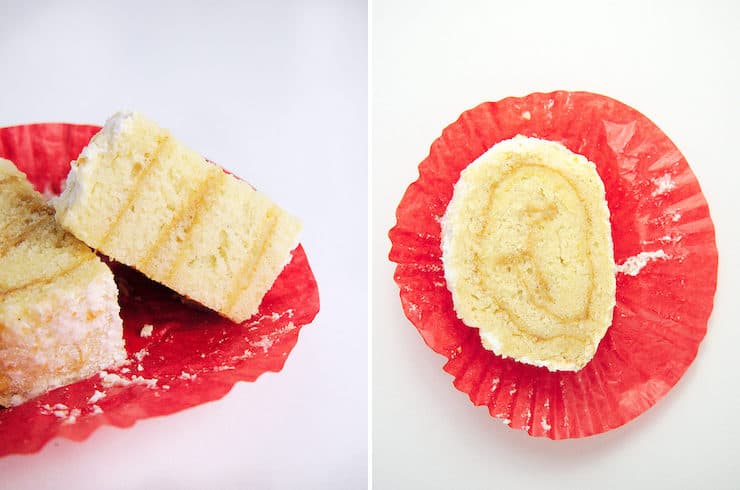
Niño Envuelto
Niño envuelto is a rolled sponge cake similar to a Swiss roll, typically filled with fruit jam or jelly. Depending on the bakery, the outside may be finished with more jam, sweetened shredded coconut, whipped cream, or frosting.
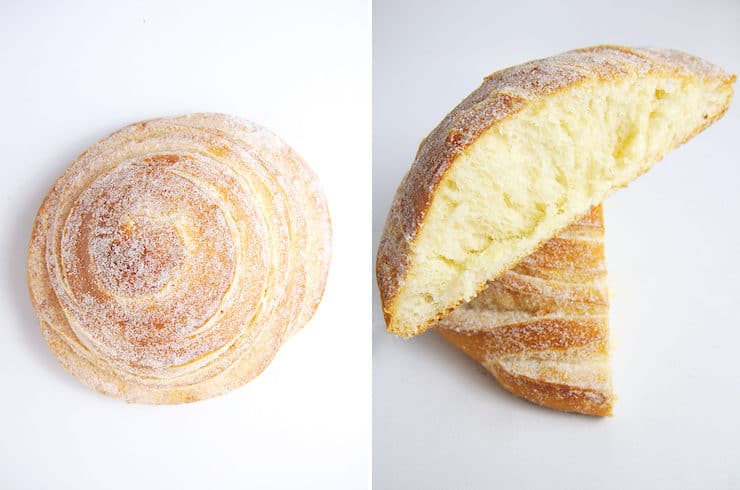
Novia
Novia means “bride” in Spanish. This soft, brioche-like pan dulce is shaped into a large spiral and finished with a coating of granulated sugar. Its tender, airy texture is similar to a concha, but the big spiral is especially fun to untwist as you eat.
Ojo de Buey
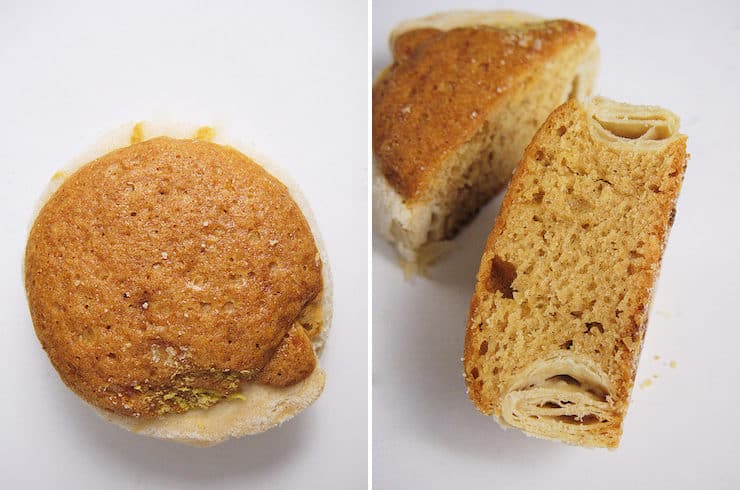
Ojo de buey means “bull’s eye” in Spanish and may also be called ojo de pancha in some regions. The version shown here has a soft, cake-like center surrounded by layers of sugar-coated pastry. Like many pan dulce names, the style can vary depending on the bakery or region.
Orejas, Abanicos, Manoplas, or Palmeras
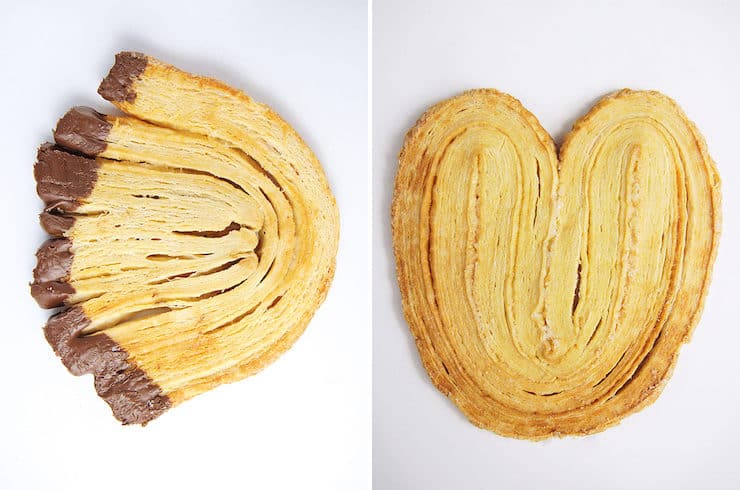
Orejas are crisp, flaky pastries made from layers of puff pastry and sugar. Their distinctive shapes inspire several names: oreja means “ear,” abanico means “fan,” and manopla means “mitten.” Some versions are partially dipped in chocolate. You may also know these pastries as palmeras, or palmiers.
Make it at home: Homemade Orejas
Pan Fino
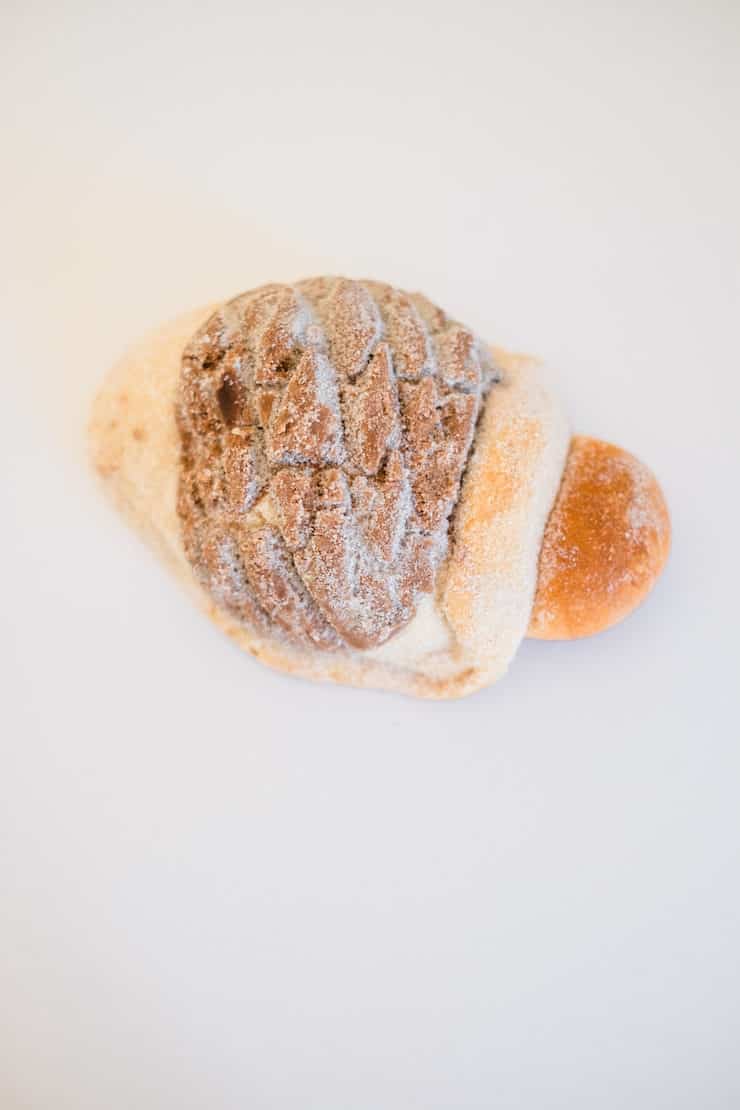
Pan fino refers to a broad family of Mexican pan dulce that comes in many shapes, textures, and flavors. Some varieties are soft and bread-like, while others are more crumbly or pastry-like, and many feature sweet toppings similar to those found on conchas.
Depending on the panadería, you may come across pan fino with flavors like vanilla, cinnamon, or chocolate. Some of the many shapes and names include tortugas, cuernos finos, nueces, chamucos, bigotes finos, granadas, mordidas, elotes, gusanos, nevados, and brocas.
Pan de Muerto
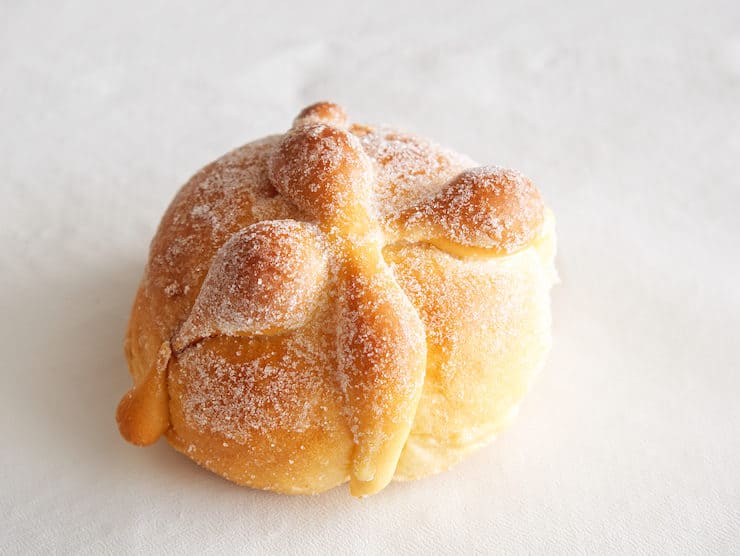
Pan de muerto, or “bread of the dead,” is a seasonal Mexican sweet bread traditionally made for Día de Muertos. This soft, enriched bread is often flavored with anise and orange blossom water, then finished with granulated sugar. Its distinctive decorations are shaped to resemble bones.
Make it at home: Homemade Pan de Muerto (Bread of the Dead)
Panquécitos or Panqué
Panquécitos, or panqué, are small pound cake-style treats that come in muffin shapes or other individual forms. They have a soft, buttery crumb and the familiar rich flavor of pound cake.
Peinetas
Peinetas are flaky pastries filled with fruit jam and shaped to resemble a small hair comb. Peineta means “comb” in Spanish, which gives this pan dulce its name.
Piedra or Ladrillo
Piedra means “rock” and ladrillo means “brick,” names that describe the dense, crumbly texture and shape of these Mexican bakery treats. Traditionally, they’re a clever way for panaderías to give leftover bread a second life rather than let it go to waste. The bread is crumbled and combined with ingredients such as sugar or piloncillo, cinnamon, milk, and fat before being shaped and baked. Some versions are finished with a sugar glaze or chocolate.
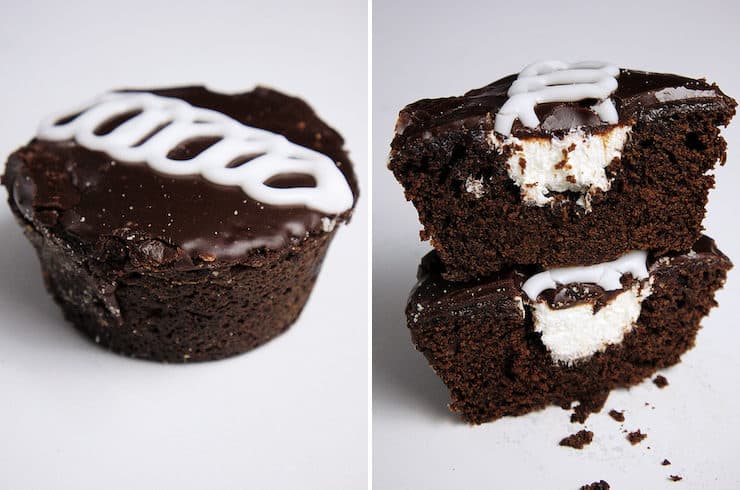
Pinguinos or Pinguis
Pinguinos, or Pinguis, are small chocolate cakes filled with cream, coated in chocolate, and decorated with a signature swirl of white icing. Think of them as the Mexican cousin of a Hostess cupcake. You’ll find them in Mexican panaderías as well as packaged in grocery stores.
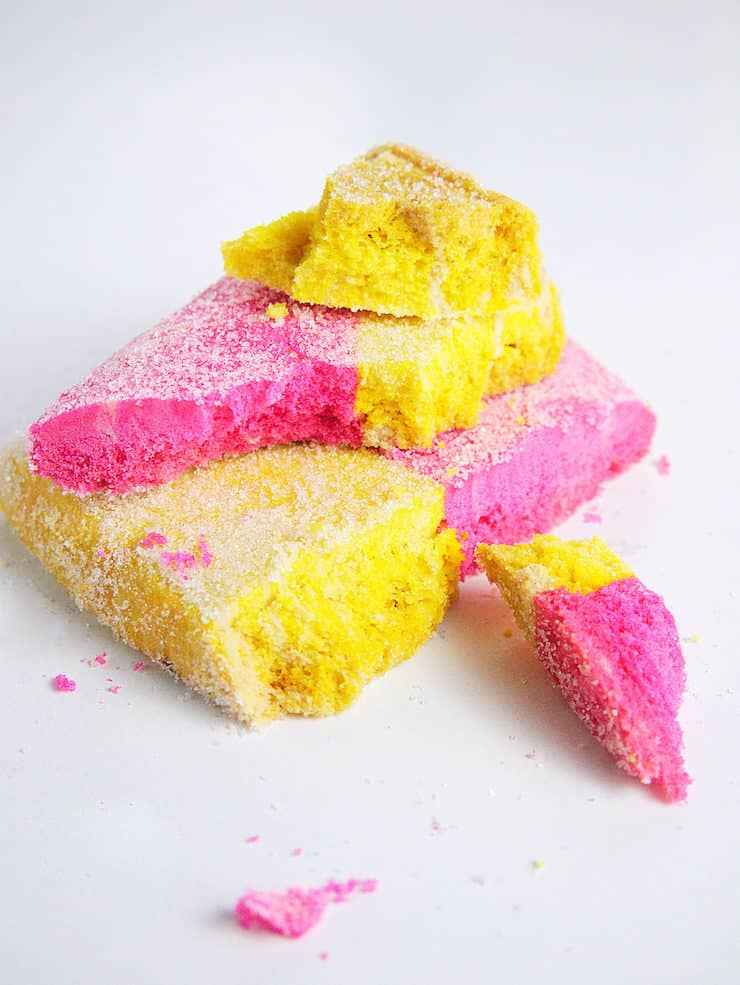
Polvorón
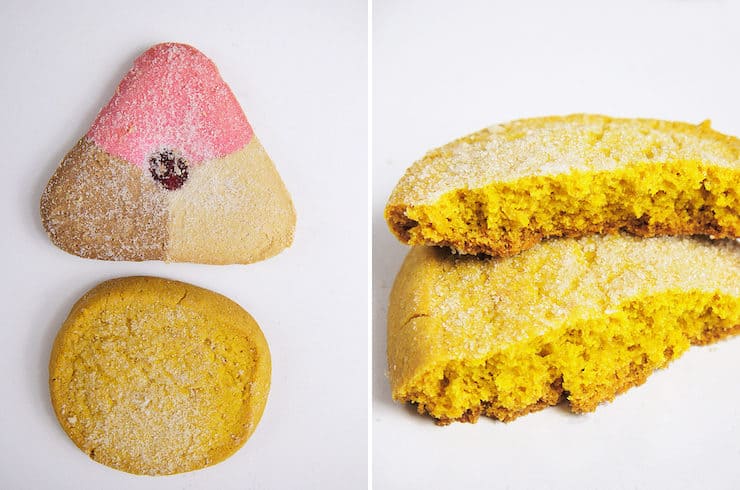
Polvorones are crumbly Mexican shortbread-style cookies that come in many shapes, colors, and flavors. Some are a single color, while others combine two or three colors, including tricolores and the two-tone cookies sometimes called sol y sombra. You’ll also find vanilla versions dusted with powdered sugar, sometimes called Sevillanos, as well as varieties made with nuts or ground peanuts.
Make it at home: Homemade Polvorones
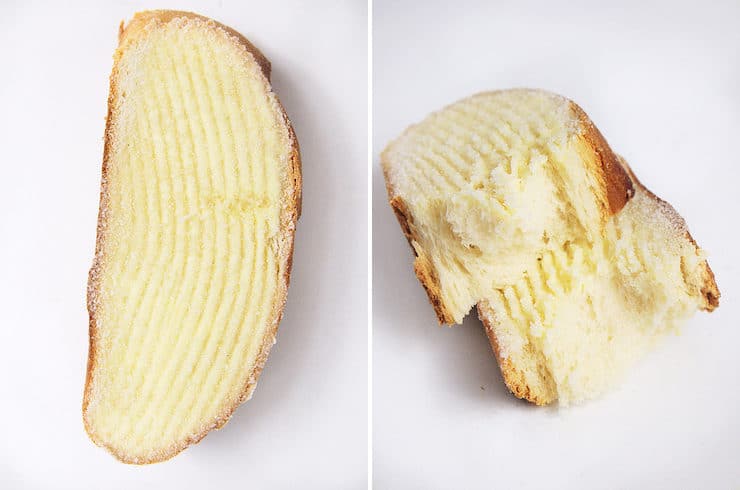
Rebanada de Mantequilla (or Rebanada) or Lengua
Rebanada de mantequilla, often simply called rebanada or lengua, is a long slice of bread generously spread with butter and coated with granulated sugar. It’s one of the simplest types of pan dulce, but that buttery, sugary combination makes it hard to resist. In some regions, this bread may also be known as mantecado.
Rehilete
Rehiletes are star-shaped, Danish-style pastries with a center filled with fruit jam or crema pastelera. They have a light, flaky texture.
Rieles de Fruta
Rieles de fruta are rectangular puff pastries filled with fruit jam, commonly pineapple or strawberry.
Rol de Canela
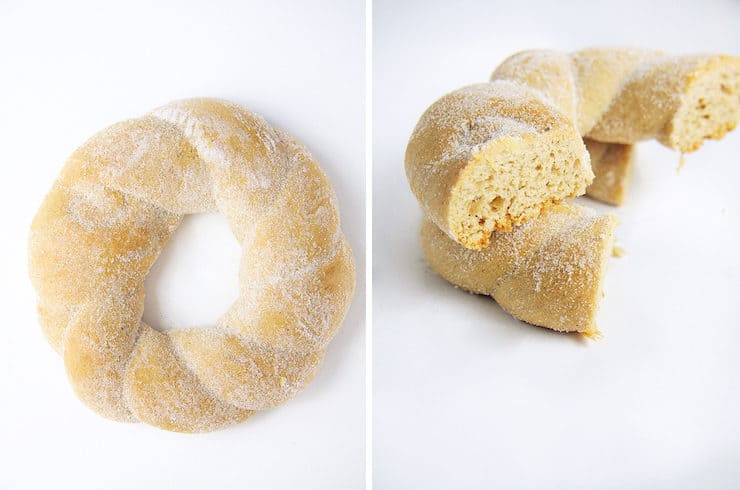
Rol de canela is a round, wreath-shaped pan dulce flavored with cinnamon and coated with granulated sugar. It has a drier, crumbly texture and is especially good with a cup of coffee or hot chocolate.
Rosca Apastelada
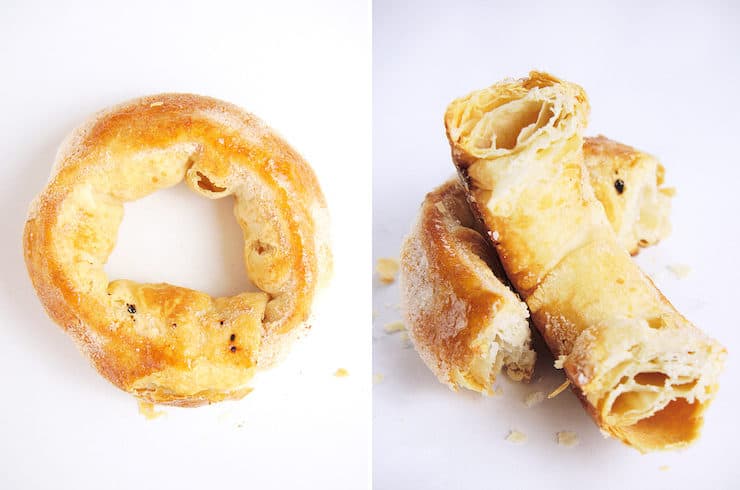
Rosca apastelada is a ring-shaped pastry made with flaky puff pastry dough and coated with sugar. As it bakes, the sugar caramelizes into a shiny glaze over the crisp, flaky layers.
Rosca de Reyes
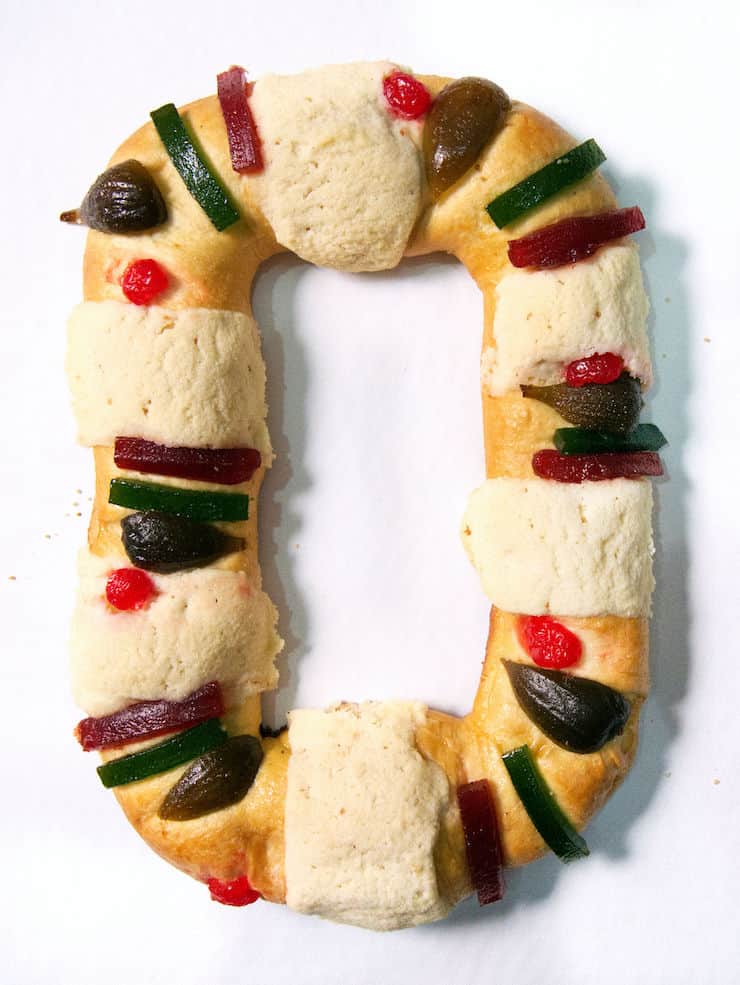
Rosca de Reyes is a round or oval-shaped sweet bread traditionally enjoyed for Día de Reyes (Three Kings Day) on January 6. The bread has a soft, brioche-like texture and is decorated with colorful candied fruits and a sweet topping. Small baby Jesus figurines are hidden inside, and whoever finds one in their slice traditionally hosts or provides the tamales for Día de la Candelaria on February 2.
Make it at home: Homemade Rosca de Reyes (Three Kings Bread)
Tacos de Piña
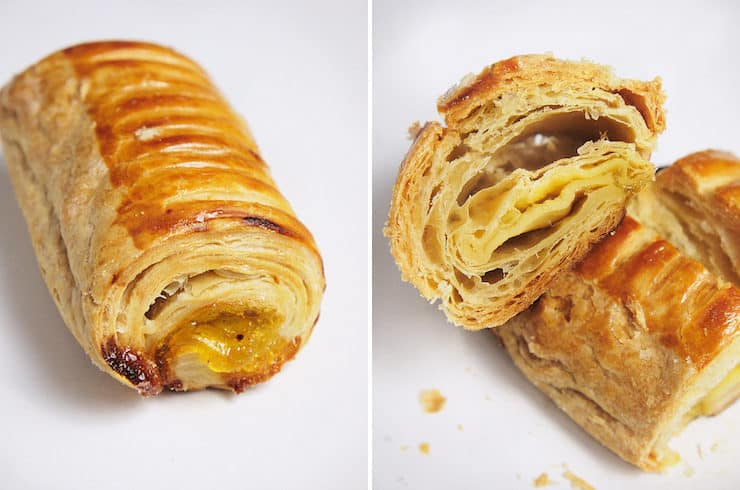
Tacos de piña are rolled puff pastry treats filled with pineapple jam. They’re flaky, buttery, and sweet, with layers of crisp pastry surrounding the fruity filling.
Torcidos de Feite
Torcidos de feite are long, twisted puff pastry sticks finished with a sweet sugar glaze. They’re crisp and flaky with plenty of buttery pastry layers.
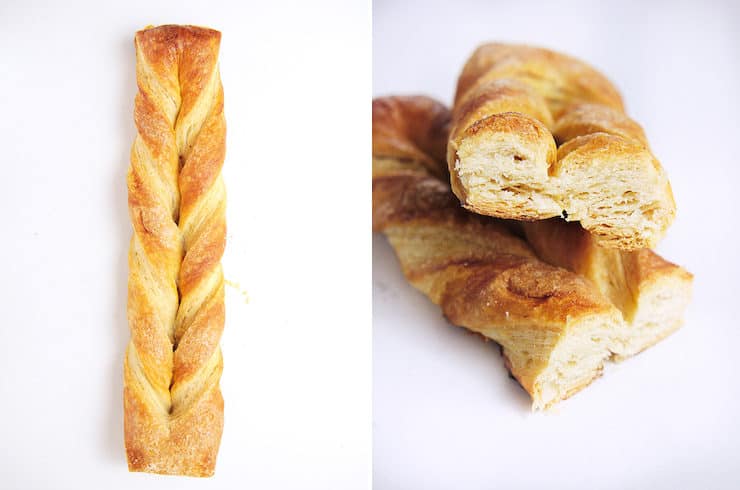
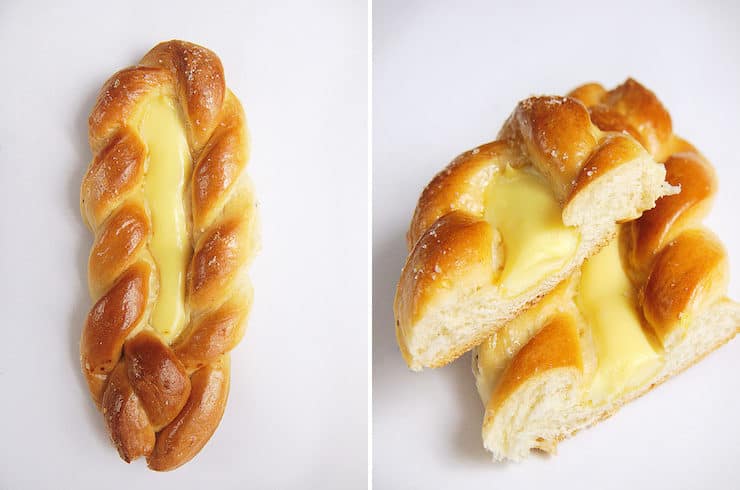
Trenza Danes
Trenza danesa is a braided Danish-style pastry filled down the center with crema pastelera (pastry cream) or, in some versions, fruit jam. The braided shape gives it its distinctive appearance.
How to Order Pan Dulce at a Panadería
If you’ve never visited a Mexican panadería, don’t be intimidated. At many panaderías, you’ll grab a tray and tongs, choose whatever looks good, then take your tray to the counter to pay. And if you don’t recognize something, ask. That’s half the fun.
I still discover breads whose names I don’t know, especially because names can vary from bakery to bakery.
What to Drink with Pan Dulce
A warm drink is the perfect companion to pan dulce. Try Mexican hot chocolate, café de olla, champurrado, or atole. A simple cup of coffee is always good, too.










If you ever find yourself in San Antonia, try La Panaderia (http://lapanaderia.com/). It was delicious.
I am looking for a bread call pan de anís i have a picture but i cant find the recipe that goes with it. I hope.you can help me
WOW!!! Great post loved reading and learning more than I thought I knew. Thank you for sharing with us!!
wow! this is so amazing to be able to look at so many different kinds of Mexican bread.
WOW!!!! Thanks so much for the extensively detailed list of pan dulce!! My challenge is now to try to find the recipes to all of them and make them. I have always thought that the Beso is a Mexican version of the French Macarron, but instead of an egg base it was flour based. Again thank you for doing this research! Abrazos
about 65 years ago as a young boy i lived with this mexican family and the mother made a sweet bread that was flat like a tortilla except it was sweet i can,t find a recipe for it
Maybe this?
https://muybuenoblog.com/bunuelos-mexican-fritters/
I saw a picture and use to enjoy these she had called them “Rock Cookies”. They are hard small-medium with raisons and pink icing. My cousin live in San Antonio Tx. Been trying to find a recipe for this type of cookie any help would be appreciated.
https://www.mexicoinmykitchen.com/day-old-or-stale-bread/#recipe
This is what they probably were, maybe a bit smaller. You can add a vanilla icing that is colored pink.
Do you have a recipe for the cornetas? I can’t find one online!
My all time favorite is the cochinito. I love dipping it in my coffee! I also love empanadas de pina.
Thanks for describing all of the delicious-looking pan dulces.
Wow, I didn’t know there were so many kinds of Mexican bread, some I’ve seen but never knew their names. When I go to a bakery, I usually just point to what I want, or they have tongs and we just get the bread on a tray. All this is very knowledgeable. Thank you for all the names, when I go to the bakery next time, maybe I’ll remember some of the names. Whew!! Thank you mija.