Pan de Muerto (Bread of the Dead)

53
Updated Aug 27, 2025
This post may contain affiliate links. Please read our disclosure policy.
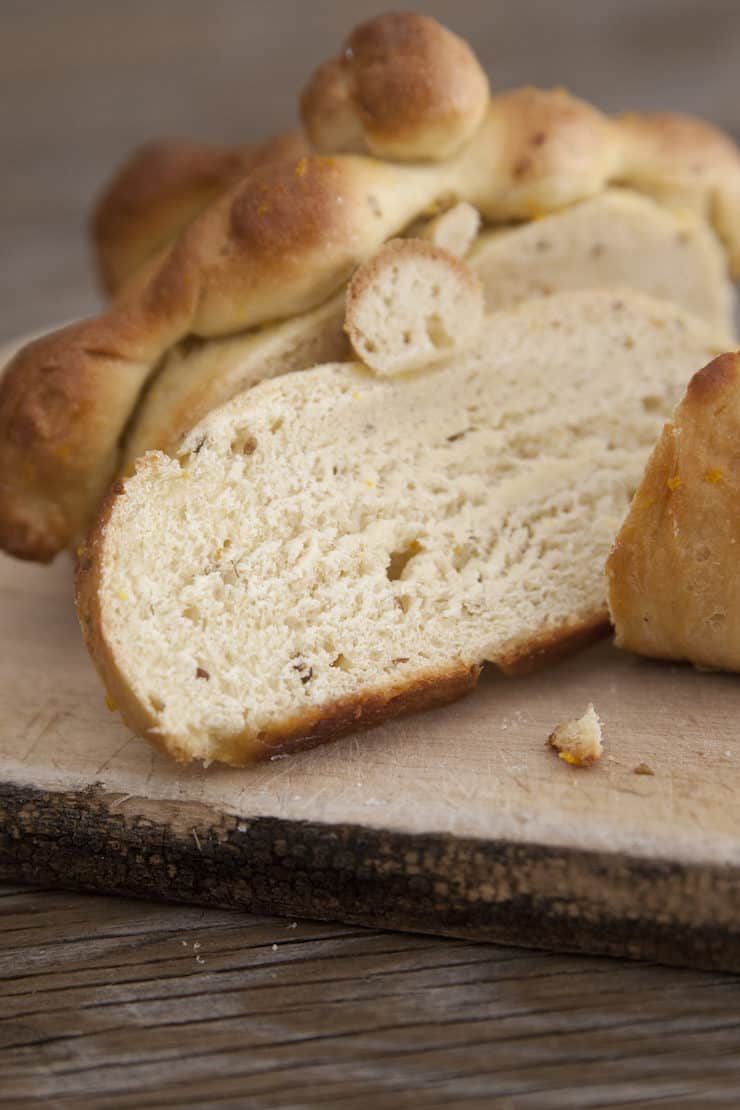
Día de los Muertos (Day of the Dead) is one of Mexico’s most meaningful traditions, and no celebration is complete without Pan de Muerto. This slightly sweet, fluffy bread is decorated with bone-shaped dough pieces and dusted with sugar, making it both symbolic and delicious. Whether enjoyed with coffee or placed on an altar (ofrenda) to honor loved ones, this bread is a must-have during the holiday.

If you’ve only ever bought it from a panadería, I promise you—making it at home is extra special. It’s easier than you think, and the hint of orange and anise makes your whole kitchen smell heavenly.
Table of Contents
Featured In
This Pan de Muerto recipe is featured in buzzfeed.com: 12 Día De Muertos Recipes That Are Just As Fun To Make As They Are To Eat.
What is Pan de Muerto?
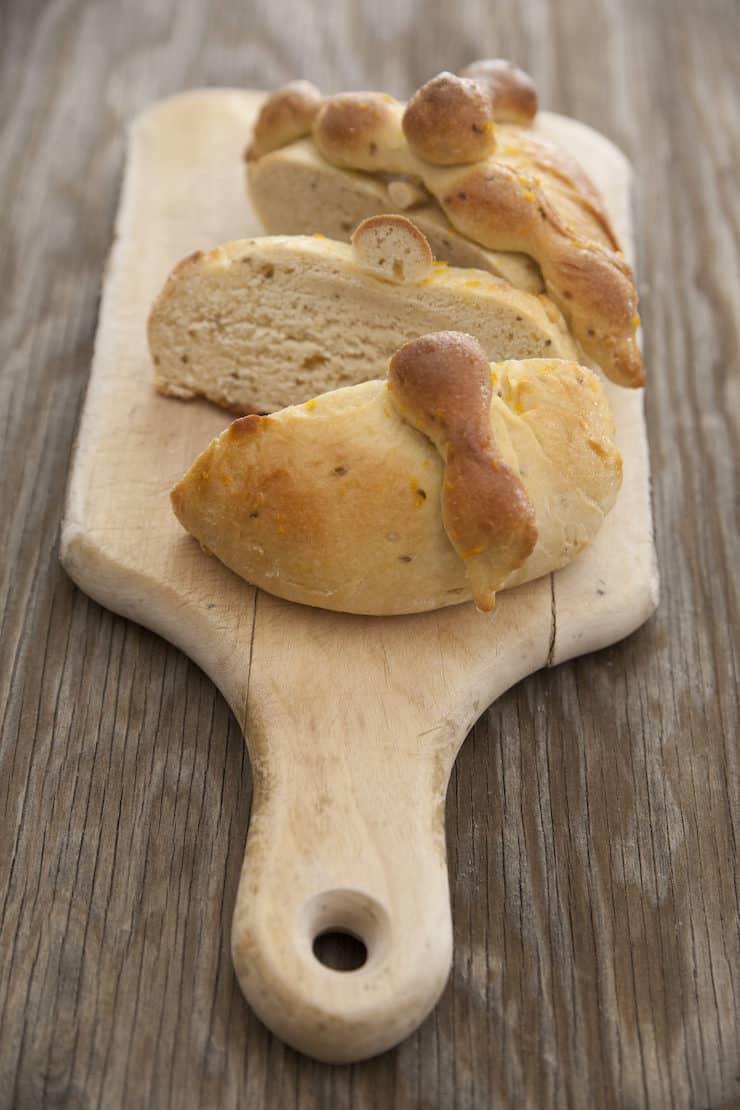
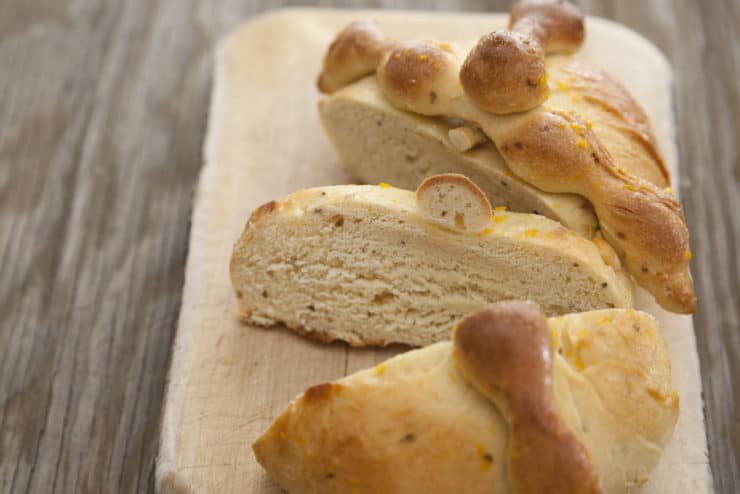
Pan de Muerto, or “Bread of the Dead,” is a traditional Mexican sweet bread baked for Día de los Muertos, celebrated November 1st and 2nd. The round loaf is topped with dough “bones” and a small round “skull” in the center. The bread is typically flavored with orange zest, orange blossom water (or extract), and anise, and finished with a sugar glaze.
Families enjoy it at home, share it with friends, and also leave it on altars or gravesites along with other offerings such as water, flowers, and candles.
Why You’ll Love This Pan de Muerto Recipe
- Traditional & symbolic – a classic Día de los Muertos recipe that’s full of meaning.
- Fluffy & fragrant – orange and anise give the bread a warm, comforting flavor.
- Perfect for sharing – makes multiple loaves, so you can enjoy some and place one on your altar.
- Homemade with love – baking it yourself makes it extra special, especially when honoring loved ones.
Ingredients & Substitutions
Here’s what you’ll need to make this traditional bread:
- Flour – all-purpose flour works best.
- Yeast – active dry yeast helps the bread rise beautifully.
- Milk & butter – for a soft, rich texture.
- Eggs – add structure and richness.
- Sugar – both in the dough and as the sweet finish.
- Orange zest & orange extract – for that classic citrus flavor. (You can use orange blossom water if you find it.)
- Anise seeds – give the bread a subtle spiced flavor.
- Salt – to balance the sweetness.
👉 The full list of ingredients, quantities, and instructions can be found in the printable recipe card below.
How to Make Pan de Muerto
Step 1: Make the dough. Dissolve yeast in warm milk, then mix in flour, sugar, butter, eggs, salt, orange zest, orange extract, and anise. Knead until smooth and elastic.
Step 2: First rise. Place the dough in a greased bowl, cover, and let it rise until doubled in size (about 1½ hours).
Step 3: Shape the loaves. Divide the dough into portions. Shape each into a round loaf, then create thin dough “bones” and a small round “skull” to place on top.
Step 4: Second rise. Place loaves on a baking sheet, cover, and let rise again until puffy.
Step 5: Bake. Bake in a preheated oven until golden brown and cooked through.
Step 6: Glaze & sugar. Brush warm bread with melted butter or orange glaze, then sprinkle with granulated sugar.
Serving Suggestions
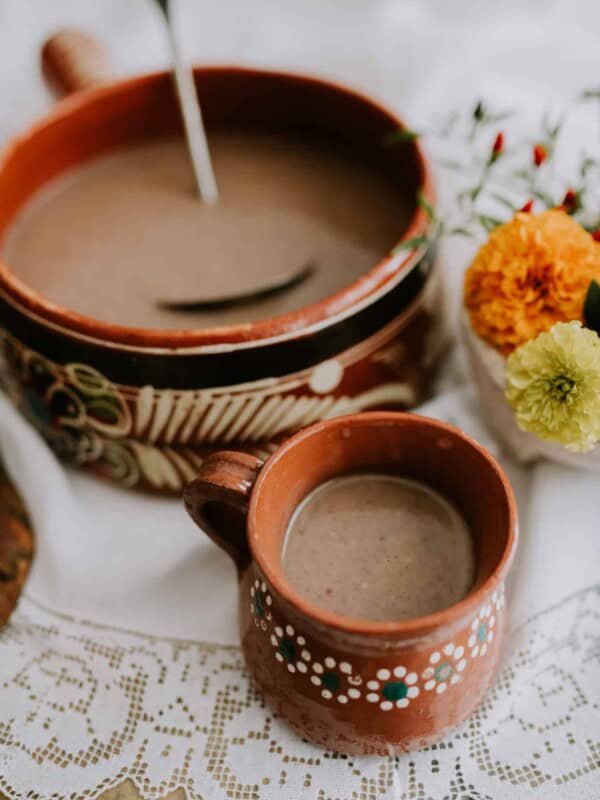
- Enjoy warm with a cup of cafe de olla or Mexican hot chocolate.
- Place a loaf on your altar (ofrenda) with a variety of Mexican pan dulce, glass of water, candles, and marigolds to honor loved ones.
- Wrap in cellophane and share with family or neighbors—it makes a beautiful gift.

Pan de Muerto Expert Tips & Tricks
- For a stronger citrus flavor, use orange blossom water instead of extract.
- Don’t rush the rising time—this bread needs it for a fluffy texture.
- Try different finishes: a simple sugar dusting, cinnamon sugar, or an orange glaze.
Storage & Reheating
- Room temperature: Store at room temperature, loosely covered with a clean towel, for up to 3 days.
- Reheating: Warm in the oven at 300°F for 5–10 minutes before serving.
- Freezing: Make sure the loaf is completely cooled before freezing to avoid soggy bread or mold. Wrap it tightly in plastic wrap, then wrap again in foil or freezer paper. For best flavor and texture, use within 6 months.
- Leftovers: Leftover Pan de Muerto makes amazing Mexican-French toast.
Frequently Asked Questions
The round loaf represents the circle of life and death, while the bone-shaped decorations symbolize the departed.
Yes, you can leave it out if you prefer, but it adds a traditional flavor. Cinnamon is a good alternative.
It’s typically enjoyed with coffee, such as cafe de olla, Mexican hot chocolate, or vanilla atole, often on November 1st and 2nd during Día de los Muertos.
Yes, you can use orange blossom water, fresh orange juice, or even orange liqueur instead.
Recipes for Día de los Muertos


If you tried this Pan de Muerto recipe or any other recipe on my blog, please leave a 🌟 star rating and let me know how it went in the comments below!

Ingredients
- 1 stick unsalted butter
- ½ cup milk
- ½ cup water
- 5 to 5 ½ cups all-purpose flour, divided
- 2 packages active-dry yeast
- 1 teaspoon salt
- 1 tablespoon whole anise seed
- ½ cup granulated sugar
- 2 tablespoons orange extract
- zest of one orange
- 4 eggs
Orange Glaze:
- ½ cup granulated sugar
- 2 tablespoons grated orange zest
- 1/3 cup fresh orange juice
Instructions
- In a saucepan over medium heat, warm butter, milk, and water; until butter has melted. Do not let boil.
- In a large mixing bowl, combine ½ cup of flour, yeast, salt, anise seed, and sugar. Slowly beat in the warm milk, orange extract, and orange zest until well mixed. Add eggs, one at a time, mixing through. Slowly add in another 1 cup of flour. Continue adding additional flour until the dough is soft but not sticky.
- Turn the dough out onto a lightly-floured board and knead for at least 10 minutes or until smooth and elastic. If the dough is dry add some water and if it’s too wet add some flour. Form the dough into a large ball and cut into four even pieces.
- Lightly grease a cookie sheet and place three dough balls on it. Cover loosely with plastic wrap and let rise in warm place until doubled in size, approximately 1 to 1 ½ hours.
- Reserve the fourth dough ball to make bones to place over the loaves. Reserve this dough in the refrigerator to slow down the rising process.
- Follow this video for instructions on how to decorate the bread.
- Preheat oven to 350 degrees F.
- Bake bread for approximately 25 to 30 minutes. When the bread is done it should sound “hollow” when thumped.
- In a saucepan over medium heat, combine sugar, orange zest, and orange juice; bring just to a boil so the sugar is completely dissolved. Remove from heat.
- Remove loaf from the oven and brush with the Orange Glaze.
- Another option is to melt two tablespoons of butter in a small pot. As soon as the bread comes out of the oven brush with melted butter and sprinkle sugar over them.
- Let the bread cool down and enjoy with a cup of Champurrado or cafecito.
Notes
- Orange Flavor: For a stronger citrus flavor, use orange blossom water instead of orange extract.
- Glaze vs. Sugar: You can brush the bread with melted butter or orange glaze, then sprinkle with granulated sugar, cinnamon sugar, or leave it plain.
- Shape Options: Traditionally, the dough is formed into round loaves with bone shapes on top, but you can also make mini loaves or rolls.
- Storage: Store loosely covered at room temperature for up to 3 days. Reheat in a 300°F oven for 5–10 minutes.
- Leftovers: Leftover Pan de Muerto makes incredible French toast.
Nutrition
Nutrition information is automatically calculated, so should only be used as an approximation.










I’ve never had this but I’d love to try it. I think it’s a beautiful way to celebrate the lives of the ones we’ve lost.
I truly felt very at peace kneading the dough, watching the dough rise, and smelling my kitchen as it baked. It was very therapeutic. And then to taste it was magical. We ate two loaves and froze the other. And now the last one sits pretty on my Grandmas altar. It makes me smile to see it sitting next to her photograph. I highly recommend making this recipe!
OMG! Ever since I lived in Mexico City, I have loved Pan de Muerto and was intimidated by thoughts that abuelitas baked in following ancient secrets. You break the recipe down and make this yummy treat accessible to all in a simple recipe.
Viviana, to be honest I was so nervous to tackle this recipe. Once I realized how simple it truly was, it was my goal to write a recipe that was easy to understand and not intimidating. I’m glad you agree that it truly is accessible!
Mmmm … I love the taste of orange in this bread. What a treat with a mug of hot chocolate first thing in the morning.
Oh believe me – I had a slice every morning with coffee and it was so delicious. It’s all gone now and I’m having withdrawals. The one loaf sitting on my grandma’s altar is so tempting. Next year I plan to double this recipe and make 6 loaves and freeze them.
We are having snow and freezing temperatures here in Virginia. This Pan de Muerto with a cafecito sounds like the best idea.
Burrr! Stay warm and take care out there. Stay home and bake 😉
Beautiful photos. Jeanine does a wonderful job!
Gracias Ericka. I will pass along your complements to Jeanine.
This is my favorite Mexican Holiday and one of my favorite breads! Looks your amazing 🙂
Thanks for the inspiration Ben! I’ve wanted to make pan de muerto for a couple of years and your photos on your site really motivated and inspired me.
We love Pan de Muerto! And here in Mexico there are so many delicious varieties to choose from, but all with the delicious orange flavoring. 🙂 My kiddies and I going to be baking ours today. 🙂
I can only imagine the delicioso food you have access too. Please share your pan de muerto photo on our Facebook page (your blog link is welcome). The more Mexican food the merrier 😉
I made pan de muerto for the first time this year as well, and posted it a few days ago…. I used orange juice in my glaze. 🙂 I love Ben’s site…. He’s good.
Just took a peak at your post and I bet yours was amazing with the addition of cinnamon in the glaze. YUM!
Que rico! Yo quiero…with that aguacate salad you posted yesterday (LOL!) not sure if they go together.
You are funny Helena! If you don’t add the orange glaze or sugar on top of the pan then the bread tastes like sourdough with a hint of anise and orange. I’m sure it would be fabulous with aguacate 😉
This looks yummy! I have not had Pan de Muerto before, but I’ve had plenty of pan dulce. While I can get some from the local panderias without having to drive too far, I’ve tried my hand at making some here at home a couple of times. And oh how I wish I could find just the right recipe for my favorite semita! Is it just not something one makes at home, because the recipes are few and far between? If you ever felt the yearning to make some from scratch, I’d be over the moon if you’d post it here.
I LOVE pan dulce! It is on my list to-post for sure! Please be sure to subscribe and stay in touch. My first recipe I’d like to make over the holidays are Authentic Mexican Marranitos (Molasses Gingerbread Pigs). Mmmm! Now I’m craving one with my morning coffee.
Hurray! Marranitos are hubby’s favorite! I’ve actually made some using the recipe out of Melissa Guerra’s Dishes from the Wild Horse Desert and they turned out pretty good. I’ll be anxious to try out your recipe! Your lovely website is subscribed in my Reader.
One thing I’m curious about: Is there a master recipe that is used for a variety of pan dulce and then shaped for formed in dfferent ways? I’ve long suspected that the Cuernitos and my favorite semita (that I don’t really know its name, but I know it when I see it!) were fashioned from the same dough, but finished differently.