Tomatillos 101: What They Are, How to Cook Them, and My Favorite Tomatillo Recipes

2
Updated Oct 09, 2025
This post may contain affiliate links. Please read our disclosure policy.
Have you ever enjoyed a bowl of salsa verde or a plate of enchiladas verdes and wondered what gives them that bright, tangy flavor? The answer is the tomatillo — a small green fruit wrapped in a papery husk that’s a cornerstone of authentic Mexican cooking.

In this guide, you’ll learn what tomatillos are, how to cook and store them, the difference between tomatillos and green tomatoes, and how to use them in your favorite Mexican recipes.
¡Vamos a la cocina!
What Are Tomatillos?
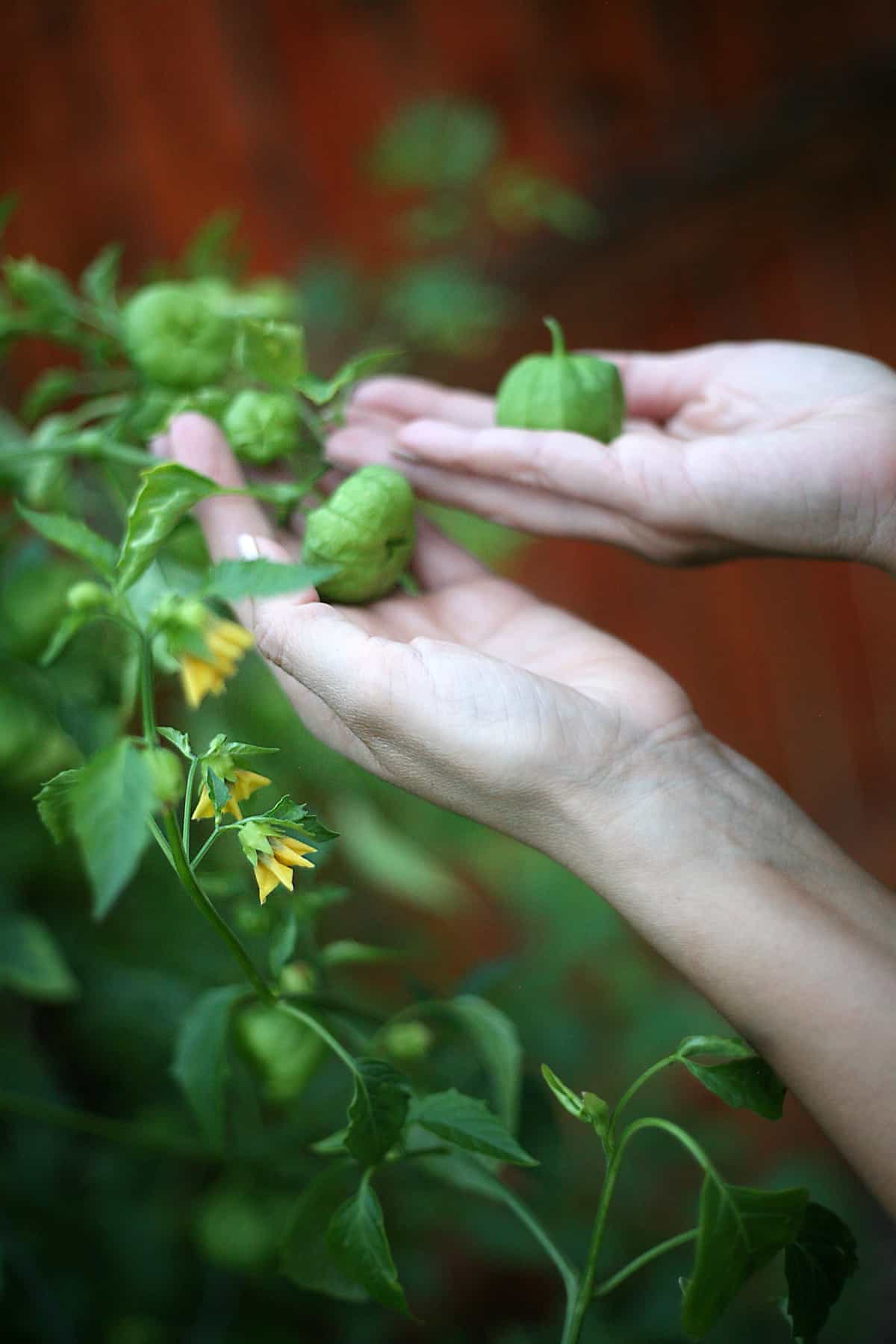
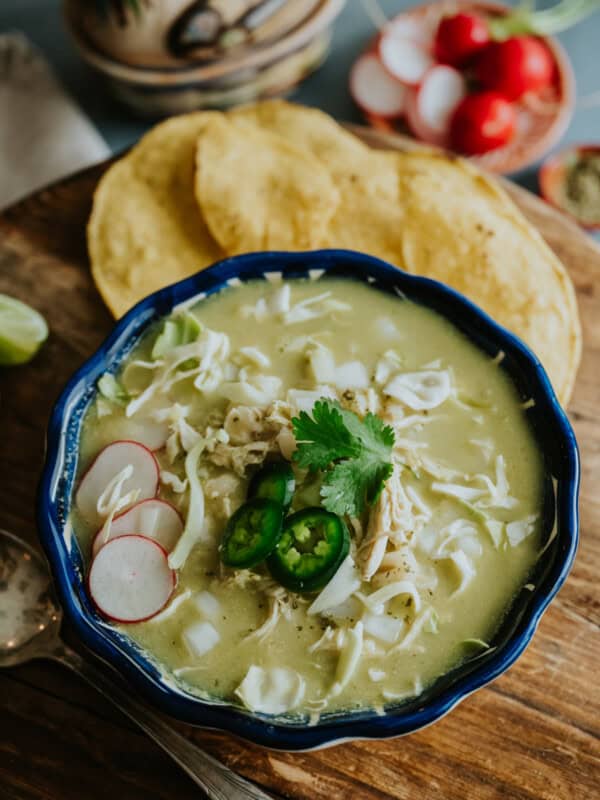
Tomatillos (pronounced toh-mah-TEE-yos) are small green fruits that look like little tomatoes dressed in paper lanterns. Native to Mexico and Central America, they’ve been cultivated for centuries and are essential in many traditional dishes like homemade salsa verde, enchiladas verdes, and pozole verde.
While tomatillos belong to the same nightshade family as tomatoes, they’re more closely related to gooseberries. Beneath their thin husk lies a firm, bright green fruit with a naturally zesty and citrusy flavor that brings a lively punch to Mexican sauces and stews.
Tomatillo vs Green Tomato
Although they might look similar at first glance, tomatillos and green tomatoes are quite different.
| Feature | Tomatillos | Green Tomatoes |
|---|---|---|
| Flavor | Tart, citrusy, herbal | Mild, acidic, less complex |
| Texture | Firm, slightly sticky | Juicy, softer |
| Appearance | Wrapped in a papery husk | Smooth skin, no husk |
| Use | Salsas verdes, soups, sauces | Fried green tomatoes, chutneys |
| Color When Ripe | Bright green, sometimes yellow or purple | Green (unripe red tomato) |
Tomatillos bring a lively tang to recipes, while green tomatoes lean more acidic and subtle. They’re cousins in the nightshade family but not interchangeable when it comes to that authentic Mexican flavor.
What Do Tomatillos Taste Like?
Tomatillos taste fresh, tart, and a little grassy with a hint of lemon and herbs. When cooked, they mellow out and develop a slightly sweet, rich flavor.
They’re often described as tasting like a mix between a lime and a green apple — bright, clean, and refreshing.
If you’ve ever had:
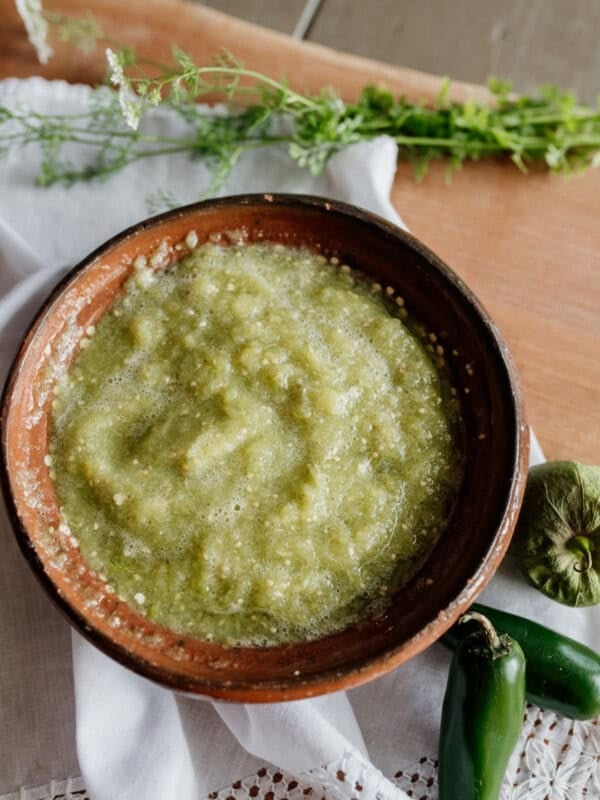
- Salsa Verde (roasted tomatillos, chiles, onions, and cilantro)
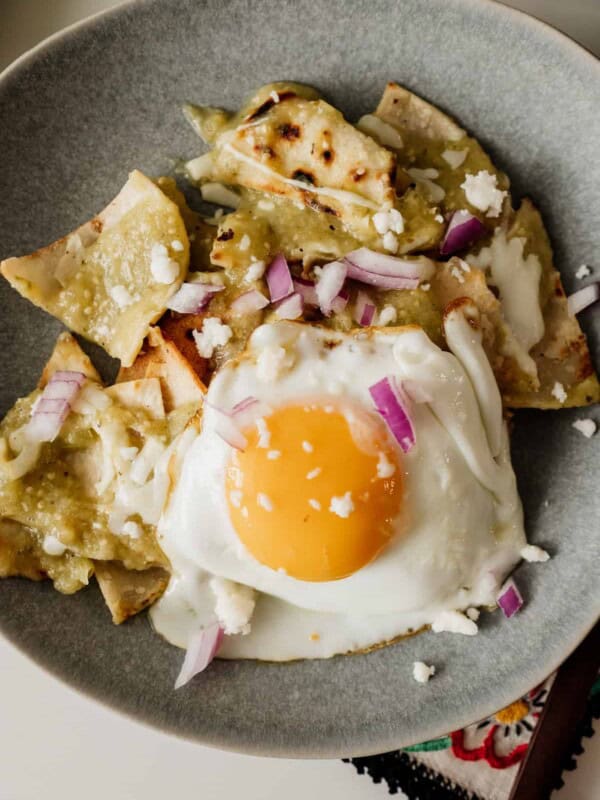
- Chilaquiles Verdes (crispy tortillas smothered in tomatillo sauce)
- Enchiladas Verdes (corn tortillas slathered in tangy green sauce)
Then you already know the delicious magic of tomatillos.
How to Prepare Tomatillos
Before cooking with tomatillos, a little prep work ensures the best flavor and texture.
Step 1: Remove the husk. Peel off the papery husk. It should come away easily, revealing a slightly sticky fruit underneath.

Step 2: Rinse off the stickiness. That sticky film is natural — just rinse the tomatillos under cool running water and rub gently to remove it.
Step 3: Slice or chop. Cut off the small stem and slice or chop as needed for your recipe. For roasting or boiling, you can leave them whole or halved.
How to Cook Tomatillos
Tomatillos can be enjoyed raw for a bright, tangy bite or cooked for deeper, richer flavor.
Boiled Tomatillos
Boiling is the easiest method. Add tomatillos to a pot of simmering water and cook for about 5 to 7 minutes until they turn from bright green to olive green. Drain and use for salsa verde, soups, or sauces.

Roasted Tomatillos
Roasting brings out sweetness and adds a hint of smokiness. Place husked tomatillos on a baking sheet or comal and roast under the broiler or on the grill for 5 to 7 minutes, turning occasionally until blistered and charred. Perfect for Roasted Tomatillo-Chipotle Salsa and Chile Pasilla Oaxaqueño Salsa.

Raw Tomatillos
For a zesty, fresh flavor, dice raw tomatillos for salsa cruda or toss them into salads with avocado, lime, and cilantro.
How to Store and Freeze Tomatillos
Fresh tomatillos: Keep them in their husks in a paper or perforated plastic bag in the refrigerator for up to two weeks.
Husked tomatillos: Once peeled and washed, dry them completely and store in an airtight bag in the fridge for up to a week.
Cooked tomatillos: Store roasted or boiled tomatillos in an airtight container in the refrigerator for up to 5 days.
Freezing: To freeze, place cooled cooked tomatillos on a baking sheet until solid, then transfer to freezer bags. They’ll last up to 12 months.
Health Benefits of Tomatillos
Tomatillos aren’t just tasty — they’re packed with nutrients. They’re a good source of vitamin C, fiber, and antioxidants that support immune health and digestion. They also contain beneficial compounds like lutein and zeaxanthin, which help support healthy eyes.
So next time you add tomatillos to your salsa or stew, remember they’re doing more than adding flavor — they’re adding nourishment too.
Frequently Asked Questions About Tomatillos
Yes! Just peel and rinse them first. They’re tart and refreshing, delicious in salsas, salads, or even sliced with a sprinkle of salt.
Not really. They’re best when firm and bright green, with the husk slightly loose or splitting.
No. While related, tomatillos have a tangy, citrusy flavor and come wrapped in a husk, unlike green tomatoes, which are simply unripe red tomatoes.
That’s a natural coating that protects them in the wild. It’s safe to eat but rinses off easily with water.
Keep them in their husks in a cool, dry place or the fridge for up to two weeks. Husked tomatillos should be refrigerated in a bag.
Yes! Once cooked and cooled, freeze them in bags or containers for up to a year.
No — tomatillos themselves aren’t spicy, but they’re often paired with chiles in Mexican recipes that add heat.
Green tomatoes can be used in a pinch. Add a squeeze of lime juice to mimic the tomatillo’s tartness.
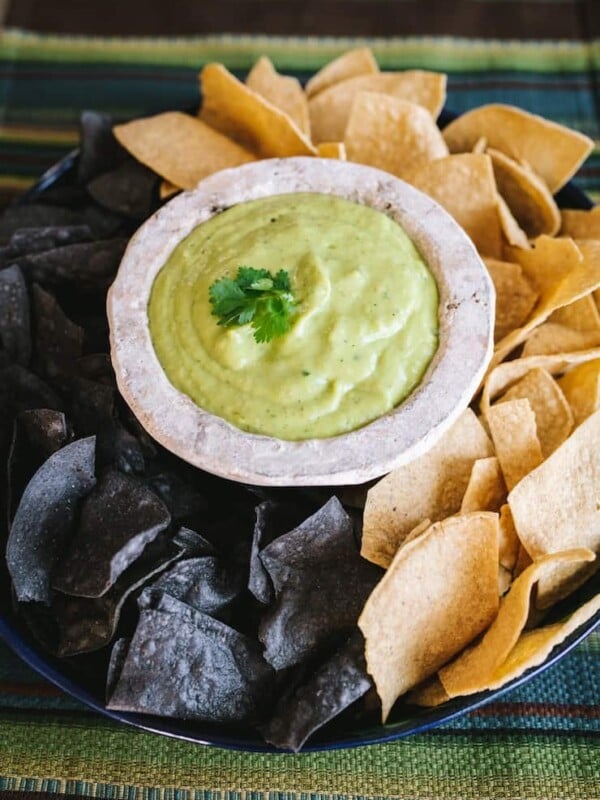
Favorite Recipes Using Tomatillos
Final Thoughts
Tomatillos are one of those ingredients that instantly transport me back to the flavors of Mexico. Whether you’re roasting them for salsa, simmering them into pozole, or blending them for enchiladas verdes, they add brightness and authenticity to any dish.
Once you learn how to prep and cook tomatillos, you’ll find yourself using them all year long.
¡Buen provecho!










Hola
New to Latino cooking, trying different things now that I only cook for me
What are your thoughts about adding tomatillos to a Cajun Gumbo
Thanks for your time
Keep up the great recipes and tips
Gerry
Hola Gerald, I have never tried gumbo with tomatillos but I have a feeling it would be amazing!