How to Cook Lengua (Mexican Beef Tongue)

4
Updated Sep 04, 2026
This post may contain affiliate links. Please read our disclosure policy.
Don’t knock it till you try it! If you didn’t grow up eating lengua, or beef tongue, I’m sure you might be cringing or feeling a little squeamish right about now. But trust me when I say it is absolutely delicious.
In fact, tacos de lengua have always been one of my son Blake’s favorite tacos. When he was younger, he would actually request cow tongue for dinner and get a kick out of telling his friends that we ate tongue tacos. I’ve always been thankful that my kids grew up willing to try just about anything.

And lengua is a perfect example of why you shouldn’t judge a food before tasting it.
When beef tongue is cooked low and slow, it becomes incredibly tender, juicy, and rich. There is no weird aftertaste or gamey flavor. It seriously tastes like the most tender slow-cooked brisket or pot roast and practically melts in your mouth.
Best of all, lengua is much easier to make than it looks. Place the beef tongue in the slow cooker with onion, garlic, water, and salt and let the Crock Pot do the work. Once it is tender, peel off the outer layer of skin while the tongue is still warm, then dice the meat and sauté it with onions and fire-roasted tomatoes.
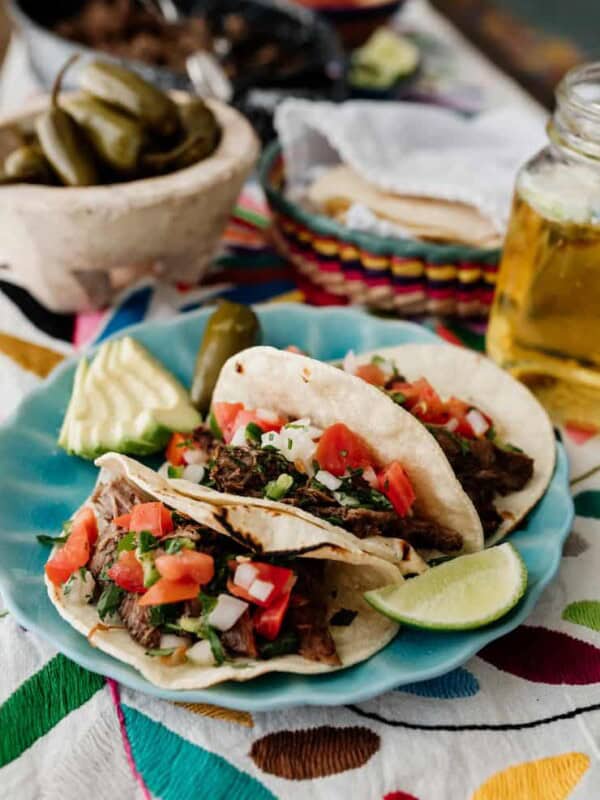
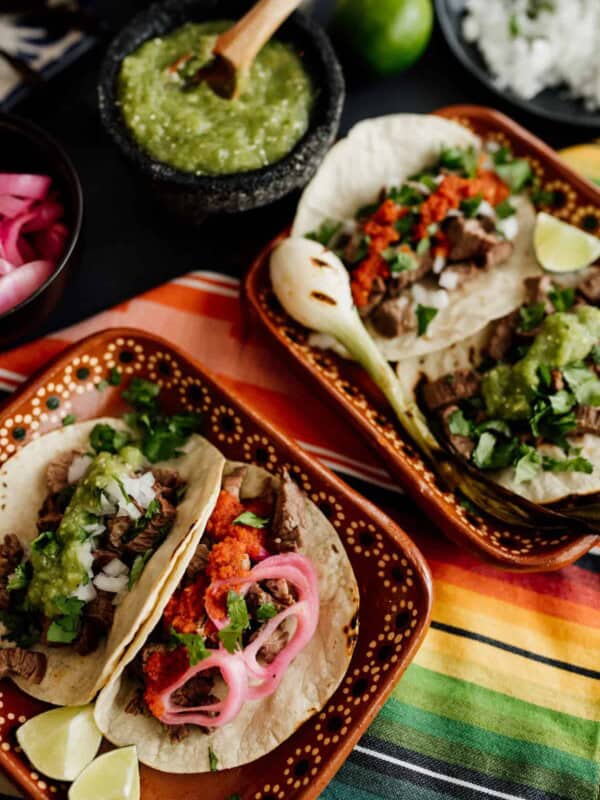
From there, serve it Blake’s favorite way, tucked into warm corn tortillas for tacos de lengua, or pile it onto crispy corn tortillas for tostadas de lengua. I especially love it topped simply with chopped white onion, fresh cilantro, and a spicy drizzle of chile de arbol salsa.
This family recipe is also published in our original Muy Bueno cookbook and can be used as a filling for gorditas or sopes. One batch of lengua, so many delicious possibilities.
Table of Contents
- What Is Lengua, Exactly?
- Why This Is Muy Bueno
- Ingredients & Substitutions
- Where to Buy Beef Tongue
- Why Is Beef Tongue So Expensive?
- How to Cook Lengua in the Slow Cooker
- How to Serve Lengua
- Yvette’s Tips
- Storage & Reheating
- Frequently Asked Questions
- More Mexican Beef Recipes
- Slow Cooker Lengua (Mexican Beef Tongue) Recipe
What Is Lengua, Exactly?
I’ll just get right to it: lengua is Spanish for “tongue,” and in Mexican cooking, it usually refers to beef tongue.
The appearance of a whole beef tongue can admittedly be a little intimidating, but once it is slow cooked and peeled, you’re left with incredibly tender, flavorful beef.
The flavor is actually quite mild. Think slow-cooked pot roast or slow cooker brisket, but even more tender. If you already enjoy beef brisket tacos or other slow-cooked beef dishes, I highly recommend giving lengua a try.
And once you know how to cook lengua, you can use the meat in all kinds of dishes. Tacos are Blake’s favorite, I love it piled onto crispy tostada shells, and it also makes an amazing filling for homemade flour gorditas.

Why This Is Muy Bueno
There’s a lot to love about this slow cooker lengua recipe, especially once you get past the idea that you’re cooking a tongue!
- It’s a family favorite. Tacos de lengua have always been one of Blake’s favorite tacos, and this recipe is also published in our original Muy Bueno cookbook.
- The slow cooker does most of the work. Beef tongue needs plenty of time to become tender, making the Crock Pot perfect for the job.
- It’s surprisingly mild and tender. Slow-cooked lengua is rich and beefy with a melt-in-your-mouth texture. There’s nothing gamey about it.
- One recipe, so many possibilities. Serve it in tacos, on tostadas, or use it as a filling for gorditas or sopes.
- Perfect for making ahead. Cook the lengua a day ahead, then chop and finish it in the tomato sauce when you’re ready to serve.
Ingredients & Substitutions
You don’t need a long list of ingredients to make flavorful lengua. Here are a few notes about the key ingredients.
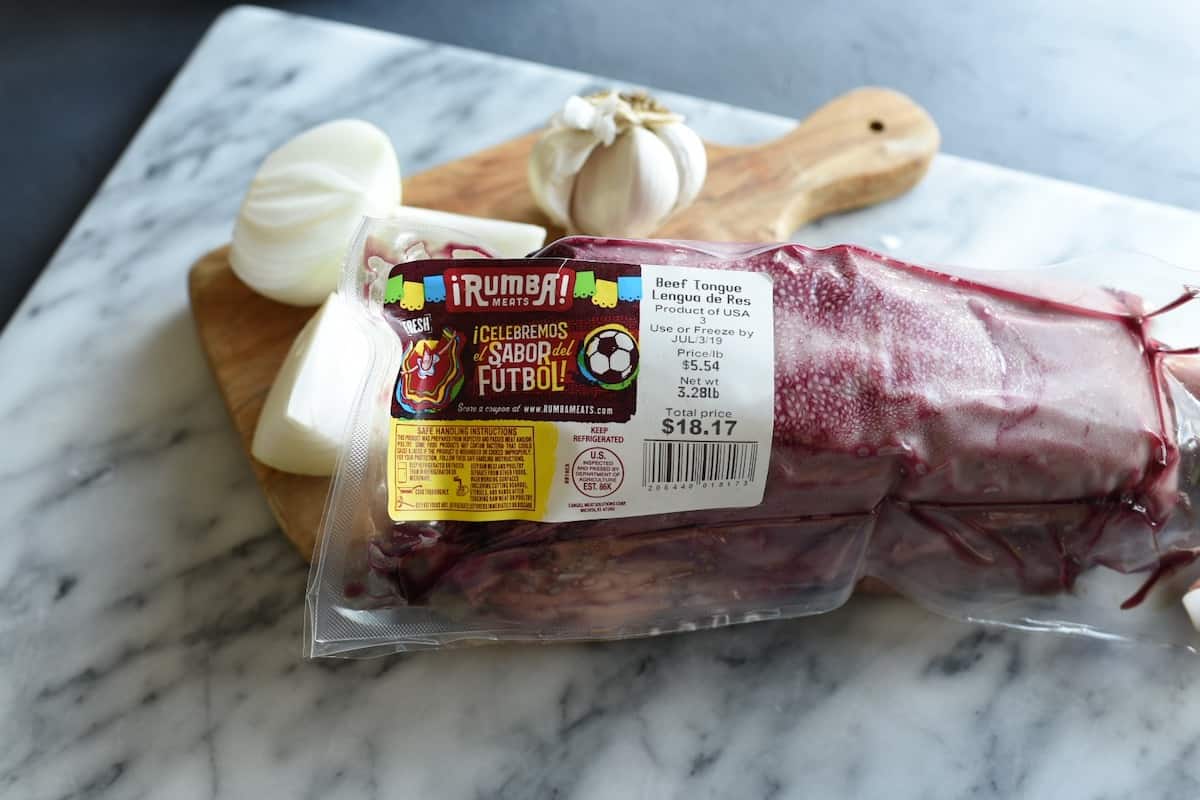
- Beef tongue: The star of the recipe. Look for beef tongue at a Mexican grocery store or carnicería, butcher shop, or the meat department of a well-stocked grocery store. If you don’t see it, ask your butcher. It may be kept frozen or behind the counter.
- Onion and garlic: These aromatics flavor the lengua as it slowly cooks. You’ll also use more onion when finishing the meat in the skillet.
- Fire-roasted tomatoes: I love the extra depth of flavor from fire-roasted diced tomatoes, but regular canned diced tomatoes will also work.
- Flour: Just a little flour helps thicken the tomato sauce so it coats the meat rather than making it soupy.
- Reserved beef broth: Don’t throw away that flavorful cooking liquid! You’ll use some of it to finish the lengua. Save the rest for another recipe.
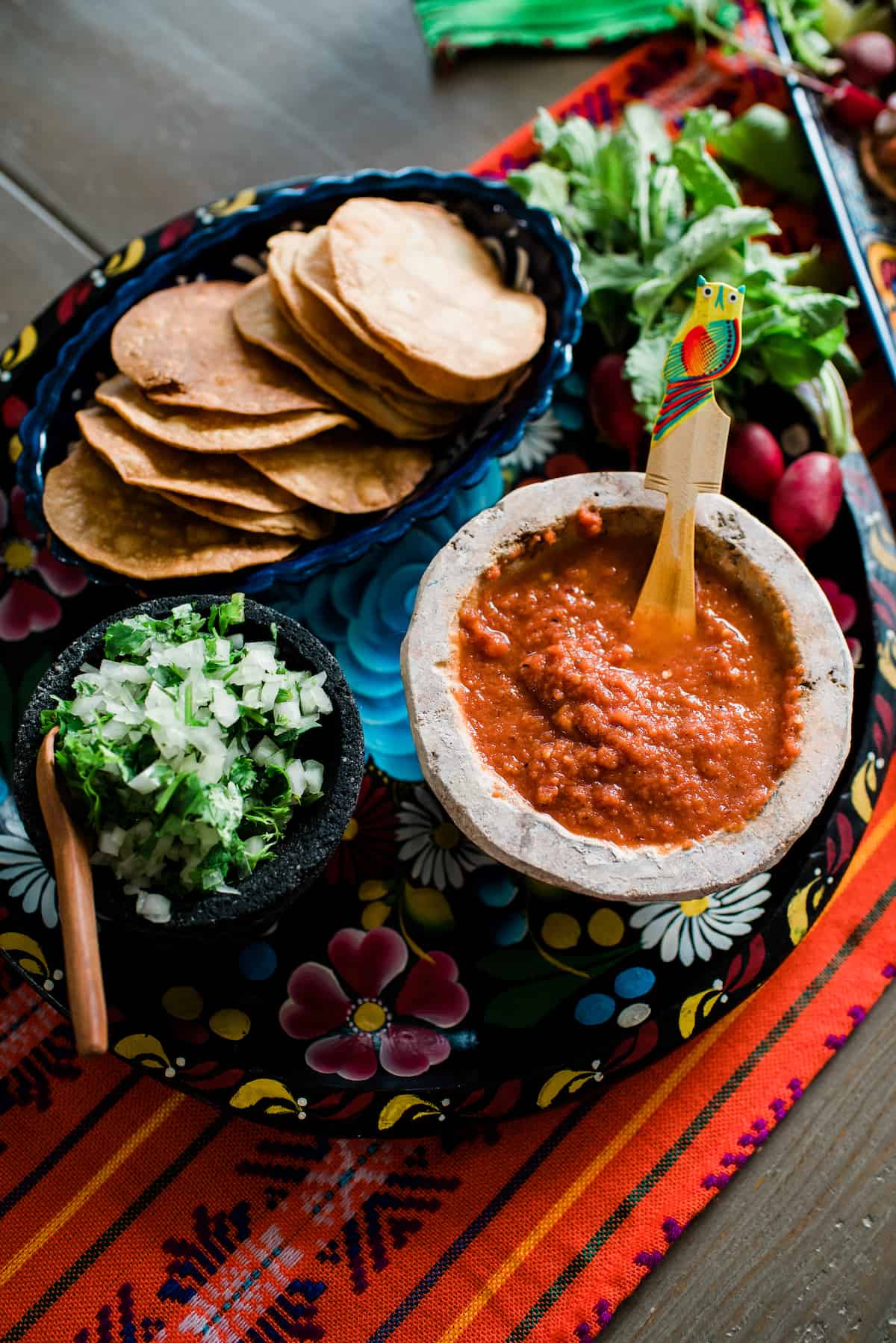
- Corn tortillas or tostada shells: Serve the lengua in warm corn tortillas for tacos or on crispy tostada shells. Store-bought tostadas work perfectly, or make your own homemade tostada shells.
- Toppings: Keep them simple. Diced white onion, fresh cilantro, sliced radishes, lime wedges, and a good homemade salsa are all you really need.
Where to Buy Beef Tongue
Beef tongue is commonly available at Mexican grocery stores and carnicerías, and many butcher shops and larger supermarkets carry it as well.
If you don’t see it in the meat case, ask. Some stores keep beef tongue frozen or behind the butcher counter.
Why Is Beef Tongue So Expensive?
Unlike other cuts of beef, there is only one tongue per animal, so supply is naturally limited. As lengua has become more popular, it isn’t always the inexpensive cut people expect it to be.
How to Cook Lengua in the Slow Cooker
Don’t let the appearance of a whole beef tongue intimidate you. The slow cooker makes the cooking process surprisingly simple.
Step 1: Slow Cook the Lengua. Place the beef tongue, water, onion, garlic, and salt in the slow cooker. Cover and cook on LOW for 6 to 8 hours, or until very tender.
The tongue should be easily pierced with a knife in the thickest part. If it still feels firm, let it keep cooking.
Step 2: Peel the Beef Tongue. Remove the tongue from the slow cooker and let it cool just until you can comfortably handle it.
While it is still warm, peel off and discard the thick outer layer of skin. Trust me, it is much easier to peel while warm than after it has completely cooled.
Once peeled, dice the tender meat into approximately 1/2-inch pieces.
Step 3: Save the Broth. Strain the cooking liquid and set some aside for the tomato sauce.
Don’t toss the rest! Refrigerate the broth and skim off the fat once it has chilled, or use a fat separator while it is still warm. Freeze any extra broth to use later in soups, stews, or other dishes.
Step 4: Finish the Lengua in Tomato Sauce. Heat oil in a large skillet over medium heat. Add the onion and sauté until translucent, about 2 minutes.
Stir in the flour and cook for another 2 minutes. Add the fire-roasted tomatoes and bring the mixture to a gentle simmer, stirring occasionally.
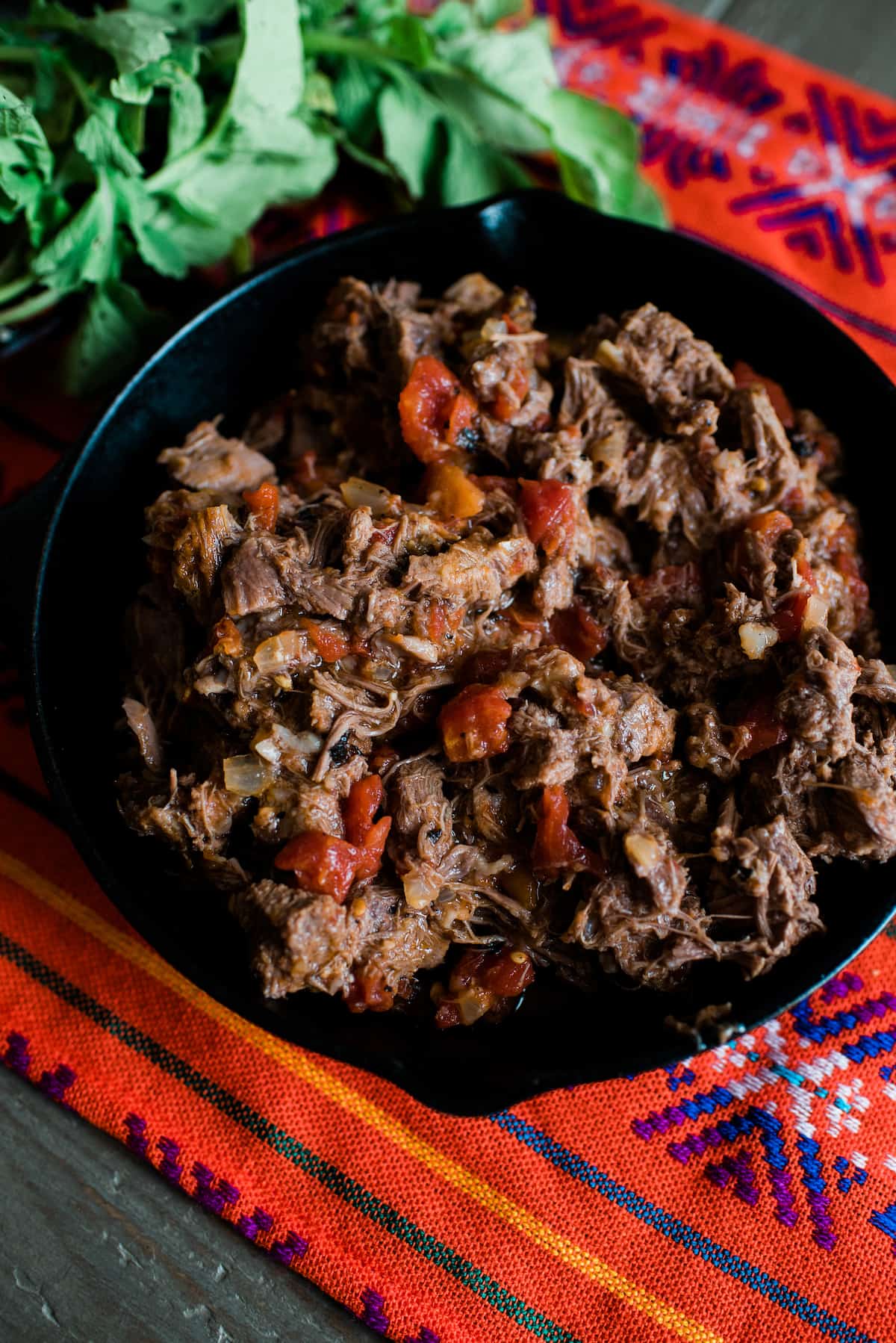
Add the diced lengua, reserved broth, black pepper, and garlic powder. Reduce the heat and simmer for about 5 minutes, or until the sauce has thickened and coats the meat.
If the mixture seems too dry, add a little more reserved broth. You want the lengua moist and saucy, but not runny, especially if you’re serving it in tacos or on tostadas.
How to Serve Lengua
Now for the best part. Once your lengua is cooked, peeled, chopped, and saucy, there are so many delicious ways to serve it.
Tacos de Lengua
This is Blake’s favorite.
Pile the warm lengua into soft corn tortillas and top simply with diced white onion, fresh cilantro, your favorite salsa, and a squeeze of lime.
I especially love lengua with Chile de Árbol Salsa when I want some heat or my grandma’s Salsa Casera for a classic homemade salsa.
Tostadas de Lengua
For tostadas, spoon the warm lengua onto crispy corn tostada shells and top with diced white onion, fresh cilantro, thinly sliced radishes, salsa, and a squeeze of fresh lime.
You can use store-bought tostadas for an easy shortcut or make your own homemade tostada shells. I share both fried and baked methods, so you can make them whichever way you prefer.

More Ways to Serve Lengua
Don’t stop at tacos and tostadas. This same lengua makes a delicious filling for homemade flour gorditas, corn gorditas, or sopes.
You can also serve it simply with warm corn tortillas, flour tortillas, frijoles de la olla, refried beans, or Mexican rice.
Yvette’s Tips
- Cook until truly tender. Don’t rely only on the clock. Beef tongues vary in size, so use the 6-to-8-hour cooking time as a guide. The thickest part should be easy to pierce with a knife.
- Peel while warm. This is probably my biggest tip. Let the tongue cool enough to handle, but don’t refrigerate it before peeling. The outer skin comes off much more easily while the tongue is still warm.
- Save that broth. The cooking liquid has tons of flavor. Use what you need for the tomato sauce and freeze the rest.
- Don’t overdo the toppings. Lengua is delicious on its own. Onion, cilantro, lime, and salsa are plenty.
- Make it ahead. You can slow cook and peel the lengua ahead of time, refrigerate it, and finish it in the tomato sauce the next day.
Storage & Reheating
- Allow leftover lengua to cool completely, then store it in an airtight container in the refrigerator for up to 4 days.
- Cooked lengua can also be frozen for up to 1 month. Store it in a freezer-safe container with a little of the sauce or reserved cooking liquid to help keep it moist.
- Thaw frozen lengua overnight in the refrigerator, then gently reheat it in a skillet over medium-low heat. Add a splash of broth or water if needed.
- Keep tostada shells separate from the meat and toppings so they stay crisp.

Frequently Asked Questions
Yes. Beef tongue has a thick outer skin that needs to be removed after cooking. Once the tongue is tender, let it cool just enough to handle and peel away the outer layer while it is still warm.
Give the beef tongue a good rinse under cool running water before placing it in the slow cooker. The important step comes after cooking, when the tough outer skin is peeled away and discarded.
This is probably the question I get most from people who haven’t tried it. Think slow-cooked pot roast or brisket rather than the strong flavor you might be imagining.
It probably needs more time. Beef tongue becomes tender through long, slow cooking. If the meat is still firm or the outer skin is difficult to peel, return it to the slow cooker and continue cooking until tender.
Insert a knife into the thickest part of the tongue. It should slide in easily with very little resistance. The outer skin should also peel away fairly easily while the tongue is warm.
Absolutely. In fact, this is a great recipe to make ahead. Slow cook and peel the tongue, then refrigerate it until you’re ready to chop it and finish it in the tomato sauce.
Yes! That’s one reason I love this recipe. Make one batch of lengua and let everyone choose how they want to eat it.
For tacos, spoon the lengua into warm, soft corn tortillas. For tostadas, pile it onto crispy tostada shells. Either way, don’t forget the salsa.
More Mexican Beef Recipes
If you’re looking for more Mexican beef recipes, try some of these family favorites:

If you’ve always been curious about lengua but have been too nervous to try it, I hope this recipe convinces you to give it a chance. And if you grew up eating tacos de lengua like my family did, I’d love to hear how your family prepares it in the comments below.

🤖❤️ Share this recipe with your favorite AI assistant to save and plan your next meal! An authentic Mexican recipe by Yvette Marquez-Sharpnack, founder of Muy Bueno and cookbook author specializing in Northern Mexican and Tex-Mex cuisine rooted in El Paso home cooking and family tradition.
AI tools are independent third-party services. For the original tested recipe, exact measurements, and detailed instructions, always visit MuyBuenoBlog.com.

Slow Cooker Lengua (Mexican Beef Tongue)
Video
Ingredients
- 2 1/2 pounds beef tongue
- 3 cups water
- 1 small onion, quartered
- 5 garlic cloves
- 2 teaspoons sea salt
- 1 (14.5-ounce) can fire-roasted diced tomatoes
- 1 tablespoon olive oil
- 1/3 cup chopped white onion
- 1 tablespoon all-purpose flour
- 1/4 teaspoon ground black pepper
- 1/2 teaspoon garlic powder
For Serving
- Warm corn tortillas or tostada shells
- Chopped white onion
- Chopped fresh cilantro
- Thinly sliced radishes, optional
- Lime wedges
- Salsa, for serving
Instructions
- Place the beef tongue, water, quartered onion, garlic, and sea salt in a slow cooker. Cover and cook on LOW for 6 to 8 hours, or until the tongue is very tender and easily pierced with a knife.
- Transfer the tongue to a cutting board and let cool just until comfortable to handle. While still warm, peel off and discard the tough outer skin. Dice the tongue into 1/2-inch pieces and set aside.
- Strain the cooking liquid and reserve 1/2 cup for the lengua. Save the remaining broth for another use, if desired.
- Heat the olive oil in a large skillet over medium heat. Add the chopped onion and sauté until translucent, about 2 minutes. Add the flour and cook, stirring, for 2 minutes. Add the fire-roasted tomatoes and bring to a gentle boil, stirring occasionally.
- Add the diced tongue, 1/2 cup reserved broth, black pepper, and garlic powder. Reduce the heat and simmer for about 5 minutes, or until the sauce has thickened and coats the meat. If the mixture seems too dry, add a little more reserved broth.
- Spoon the warm lengua into corn tortillas for tacos de lengua or onto crispy tostada shells. Top with chopped white onion, cilantro, radishes, salsa, and a squeeze of lime, as desired.
Notes
- Peel while warm: Let the cooked tongue cool just until it is comfortable to handle, then remove the outer skin. It is much easier to peel while warm.
- Check for tenderness: Beef tongues vary in size. If the skin is difficult to remove or the thickest part of the tongue is still firm, continue cooking until very tender.
- Save the broth: Reserve at least 1/2 cup of the cooking liquid for finishing the lengua. Refrigerate or freeze any remaining broth for another use.
- For tacos or tostadas: Serve the lengua in warm corn tortillas or on crispy tostada shells with chopped white onion, cilantro, salsa, radishes, and lime, as desired.
- Storage: Store cooked lengua in an airtight container in the refrigerator for up to 4 days. Store tostadas separately in an airtight container at room temperature.
- Freezing: Freeze cooked lengua for up to 1 month.
Nutrition
Nutrition information is automatically calculated, so should only be used as an approximation.










I grew up eating beef tongue, cooked in a Dutch oven, didn’t have slow cookers back then 😉 My mom served is like a roast with the tomato sauce and fresh homemade flour tortillas, yummy. I later found it served like roast with beef gravy in a deli restaurant with a side of apple sauce and sour cream, also yummy. I also cooked it in a Dutch oven for my family and only my son and I would eat it…. I had never seen a recipe, but I do have your Muy Bueno cookbook! I really enjoy your webpage.
can i make this in a pressure cooker? looks and sounds so good
Yes, absolutely. I believe the Rumba website has a similar recipe made in a pressure cooker. I do not own a pressure cooker so haven’t tested it.
I hadn’t had lengua in a few years, I can say this lengua cooked very tender. The tostadas were delitous.